
Pressotherapy in Laval
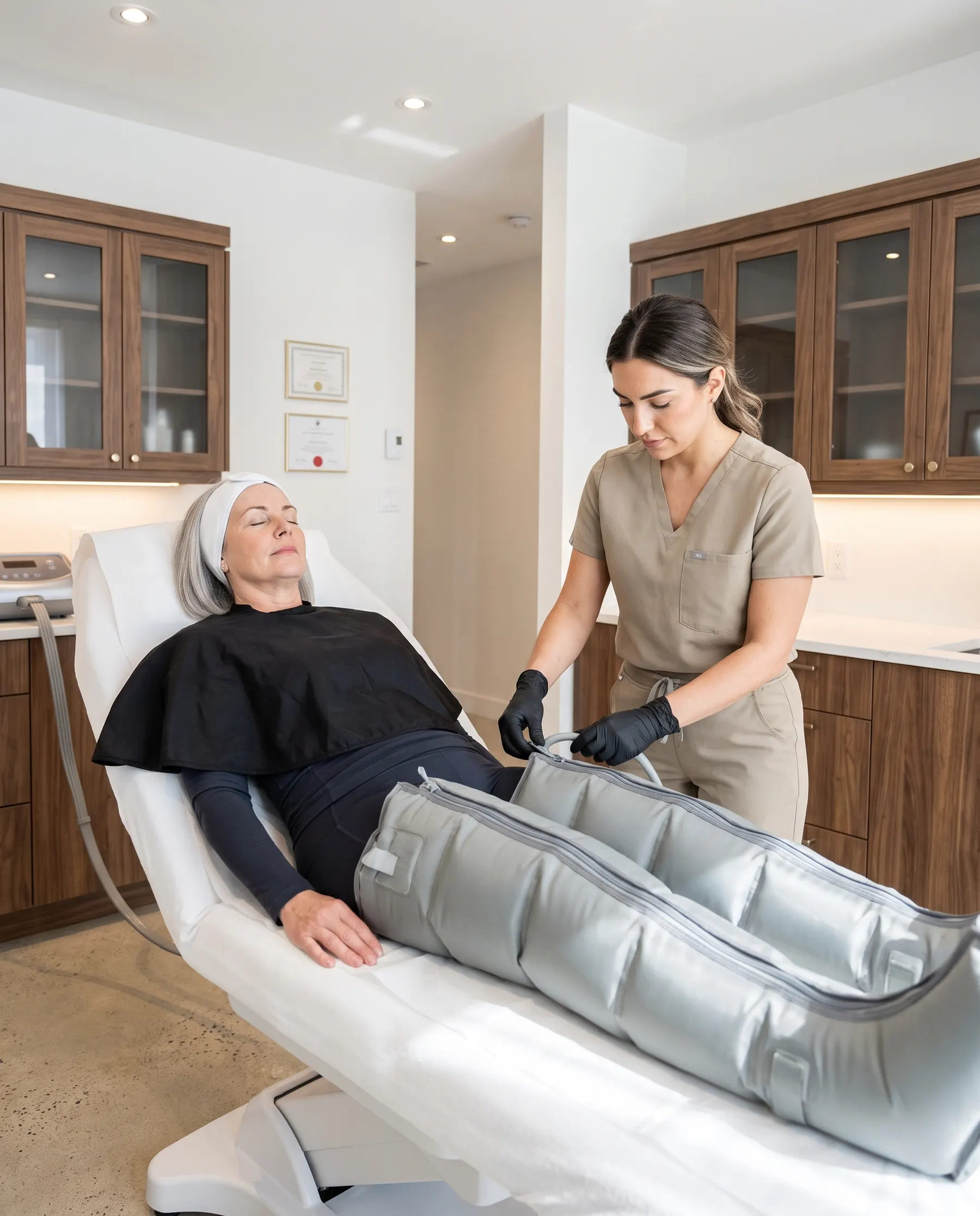
Lighter legs as you leave, with nothing to do. The boots apply sequential compression to the legs. The treatment is chosen above all when the legs get heavy or slightly swollen after a long day sitting or standing.
NATURE OF THE TREATMENT
An esthetician's treatment. No medical procedure.
What is pressotherapy
Pressotherapy applies sequential compression through inflatable OMyGuard boots, from the ankle upward. They are boots: they cover the legs, and nothing above the hips.
When you walk, the contractions of the calf muscles contribute to venous return. After long periods sitting or standing without moving, that muscular help drops off, and some people get more heaviness or swelling in the lower legs.
This treatment addresses heavy legs and light end-of-day swelling. Recovery after exercise is a secondary use, and the sports data are modest.
It is one of the few treatments whose sensation changes during the session itself.
price
- $45 per session
- Multi-session packages exist in the salon
length
- 45 minutes per session
- Nothing to prepare
- You stay dressed from start to finish
- Free body consultation if you are unsure
areas treated
- Full legs, from foot to hip
- Ankles and calves
- Thighs
how it feels
- Generally comfortable, pressure that rises and releases
- The sensation is close to a blood-pressure cuff
- Say so straight away if it hurts or goes numb
- Plenty of clients fall asleep
after the session
- Legs often feel lighter as you leave
- Light pressure marks or temporary redness are possible
what it addresses
- Heavy legs
- Light swelling in both legs by the end of the day
- Discomfort after long periods sitting or standing
- Recovery after exercise, as a secondary use
Is pressotherapy right for you?
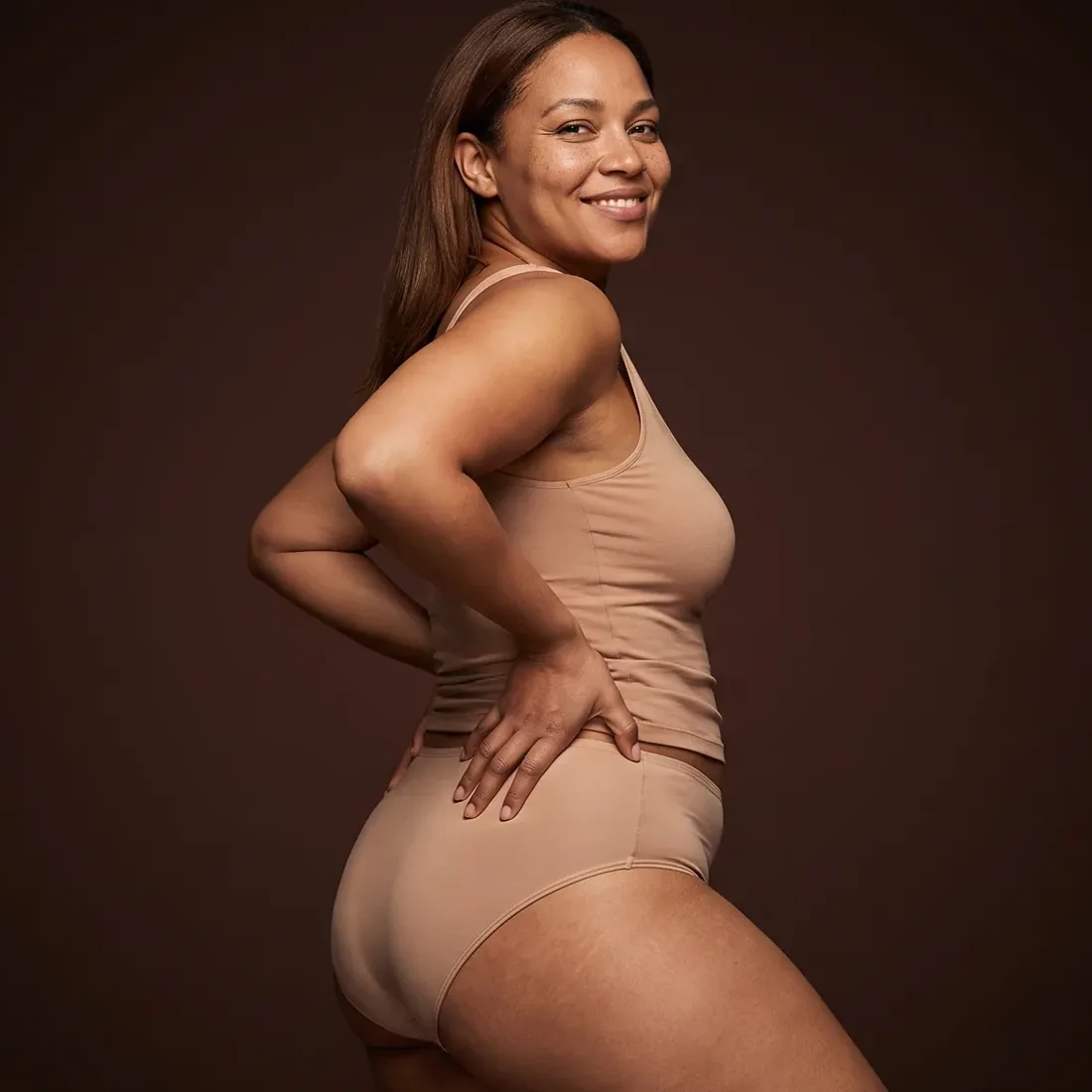
This treatment addresses heaviness and swelling, not volume. Here are the situations where it makes a difference.
If your goal is about the volume of your leg rather than the heaviness, this is not the right treatment. The body consultation is free and exists exactly to make that distinction. It is not required: if you know what you want, you can book directly. But if your swelling is new or unexplained, an esthetic consultation does not replace a medical assessment.
You spend the day seated or standing still
A long period without movement can encourage a temporary build-up of fluid in the lower legs, in some people.
Your socks leave a mark in the evening
If the mark is deep and your ankles also look swollen, that can be consistent with light oedema. If it is new, persistent or significant, it is better to look for the cause than simply to treat it at an institute.
You are back from a flight or a hot spell
After travelling, light heaviness in both legs, of the familiar kind, can be temporary. Swelling that persists, or that affects mostly one leg, calls for a medical assessment before any compression.
You are recovering from hard exercise
Some people enjoy the boots after training, for the feeling of light legs. The sports studies show modest and variable benefits, though: it is not a proven way to speed up muscular recovery.
Contraindications
WHEN NOT TO BOOK DIRECTLY
If one leg suddenly swells more than the other, especially with pain, warmth or redness, do not book a pressotherapy to bring it down. Have the situation assessed by a health professional. The same goes if the swelling is new, significant, persistent, or comes with breathlessness or chest pain.
A BLOOD CLOT OR PHLEBITIS
A known or suspected clot belongs to medical care, not to an esthetic pressotherapy. If a leg suddenly shows pain, warmth, redness or asymmetric swelling, we postpone the session and ask you for a medical assessment.
ARTERIAL DISEASE OR A KNOWN VASCULAR PROBLEM
If you have been diagnosed with poor arterial circulation or significant vascular disease, or if you have had vascular surgery, tell us before booking. The use of compression then has to be validated medically.
HEART FAILURE OR UNCONTROLLED HIGH BLOOD PRESSURE
If you have known heart failure, we ask for your medical team's agreement before a pressotherapy: severe or decompensated forms do not belong to an esthetic treatment. Uncontrolled high blood pressure is a reason to postpone until a medical opinion.
A WOUND, AN INFECTION OR REDUCED SENSATION IN THE LEG
The boots wrap the whole surface, so there is no way to work around a lesion. Neuropathy or a loss of sensation is also worth telling us about: it makes excessive pressure harder to notice.
PREGNANCY
At L'Institut Béa, we do not do pressotherapy during pregnancy. That policy is deliberately cautious. If your legs are heavy or swollen during pregnancy, raise it instead with the professional following your pregnancy.

A treatment adjusted to your legs
Three settings decide what the session gives, and they are agreed before it starts.
- THE DIRECTION OF THE WAVE
- In the programme used for the legs at Béa, the chambers inflate gradually from the bottom upward, to create a sequential compression.
- THE PRESSURE
- It is set by the programme of the device and by your tolerance. Higher pressure is not automatically more effective.
- THE RHYTHM OF THE CYCLES
- The compression and release phases follow one another according to the programme of the device. That alternation is what defines intermittent pneumatic compression.
The session step by step
Here is how a pressotherapy session runs at Béa.
1
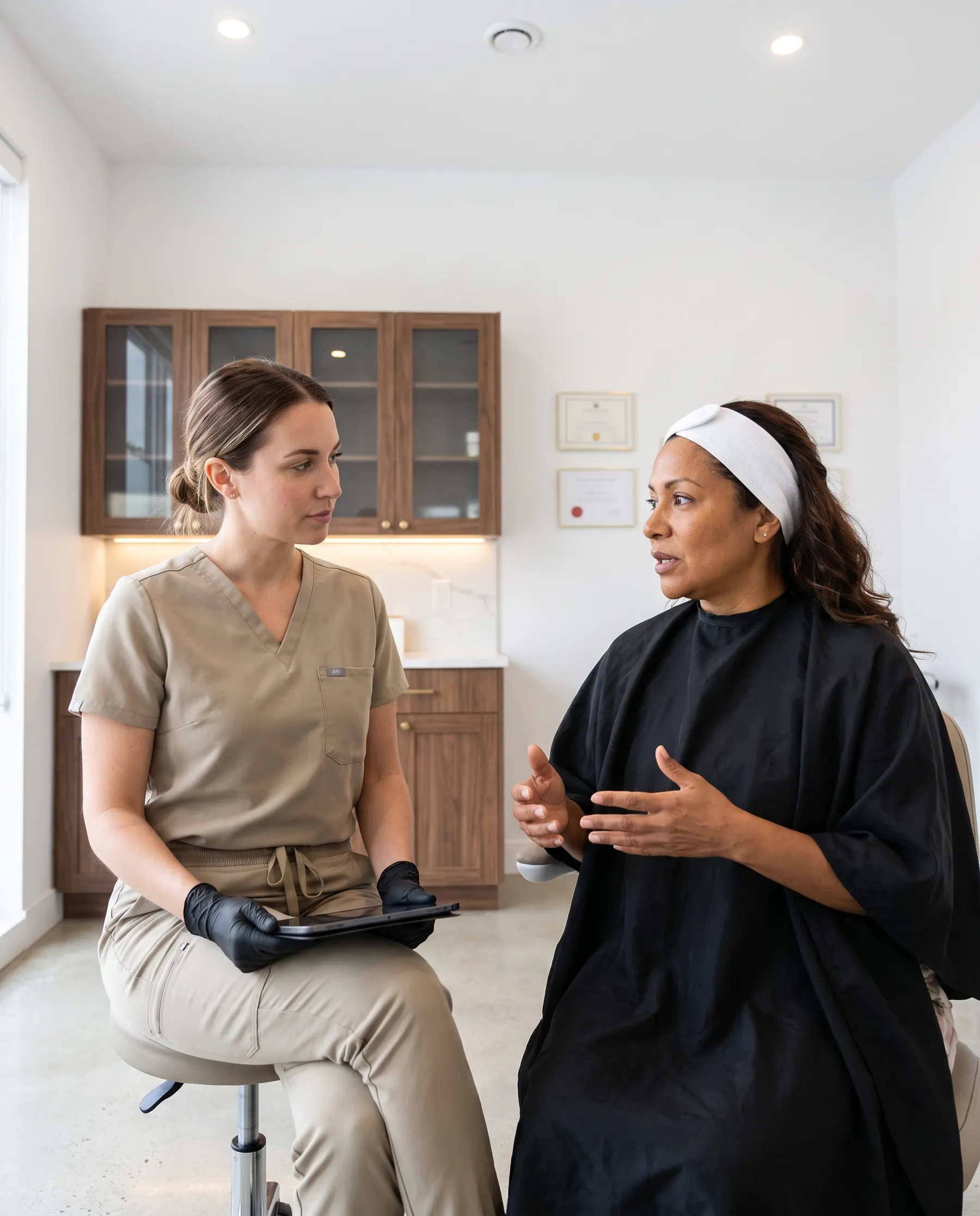
Body consultation
Free. We check the circulatory contraindications, the most important step for this treatment.
2
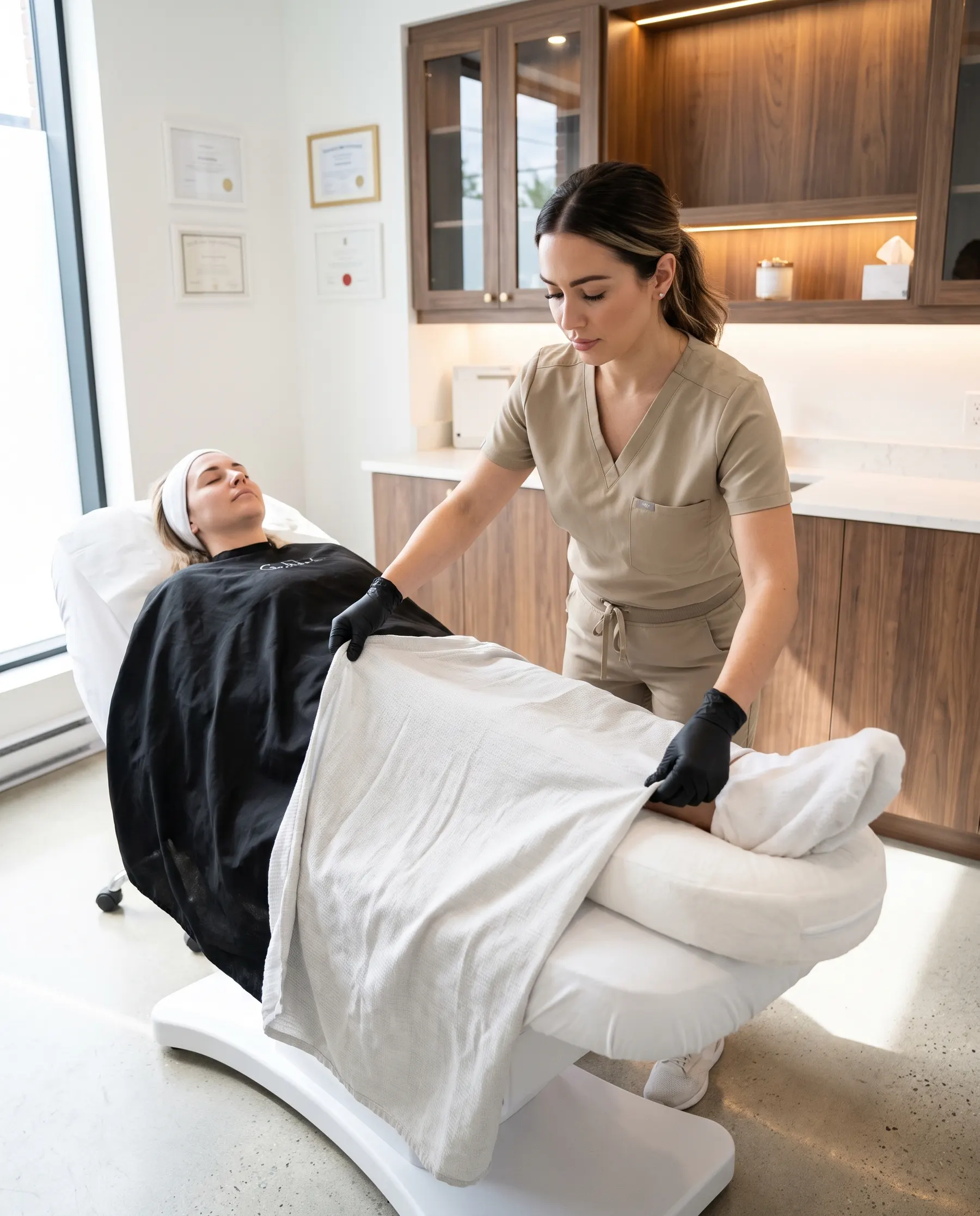
Settling in
You lie down, in light clothing. Nothing to take off.
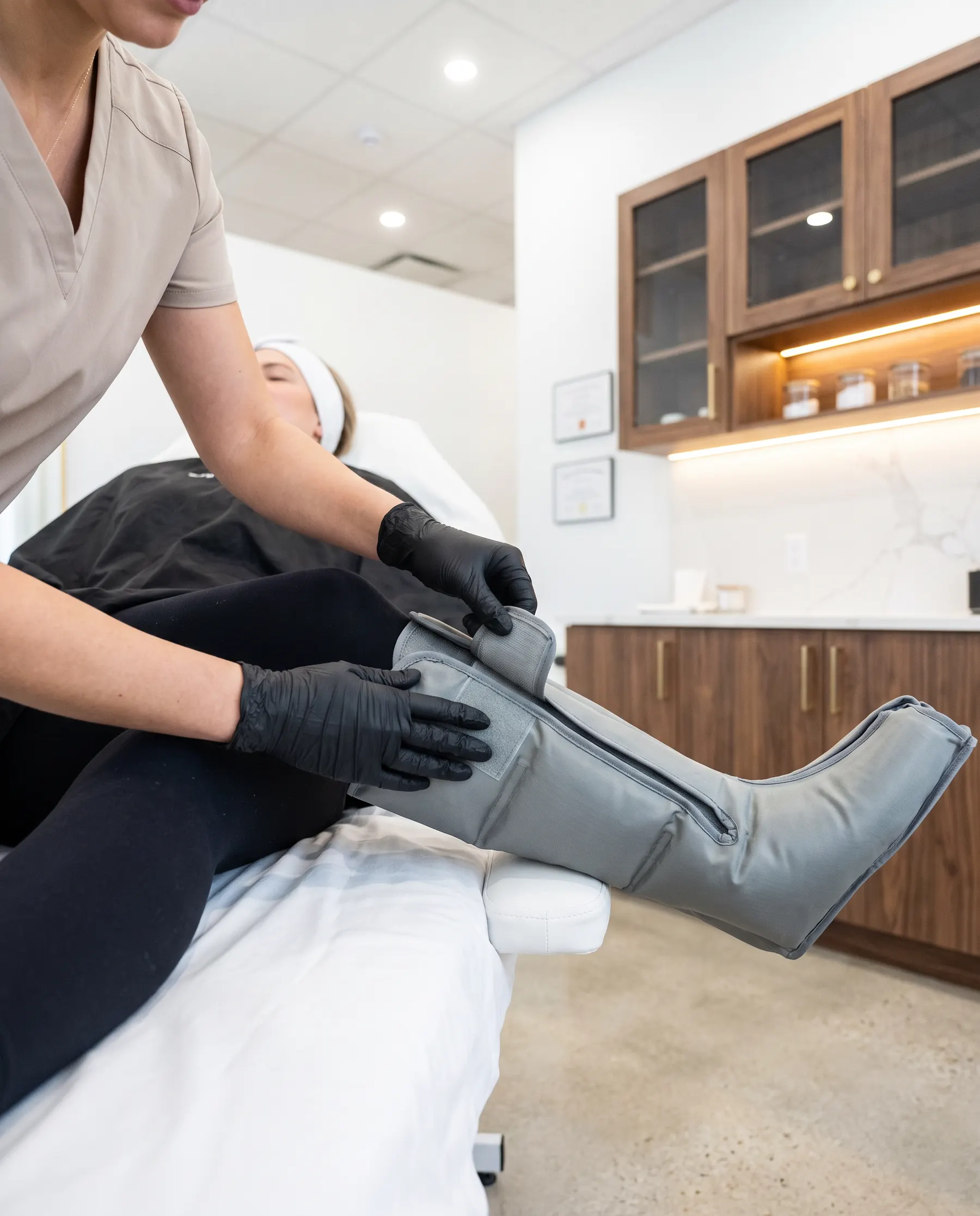
3
Fitting the boots
They are adjusted and the pressure rises gradually to the level agreed with you.
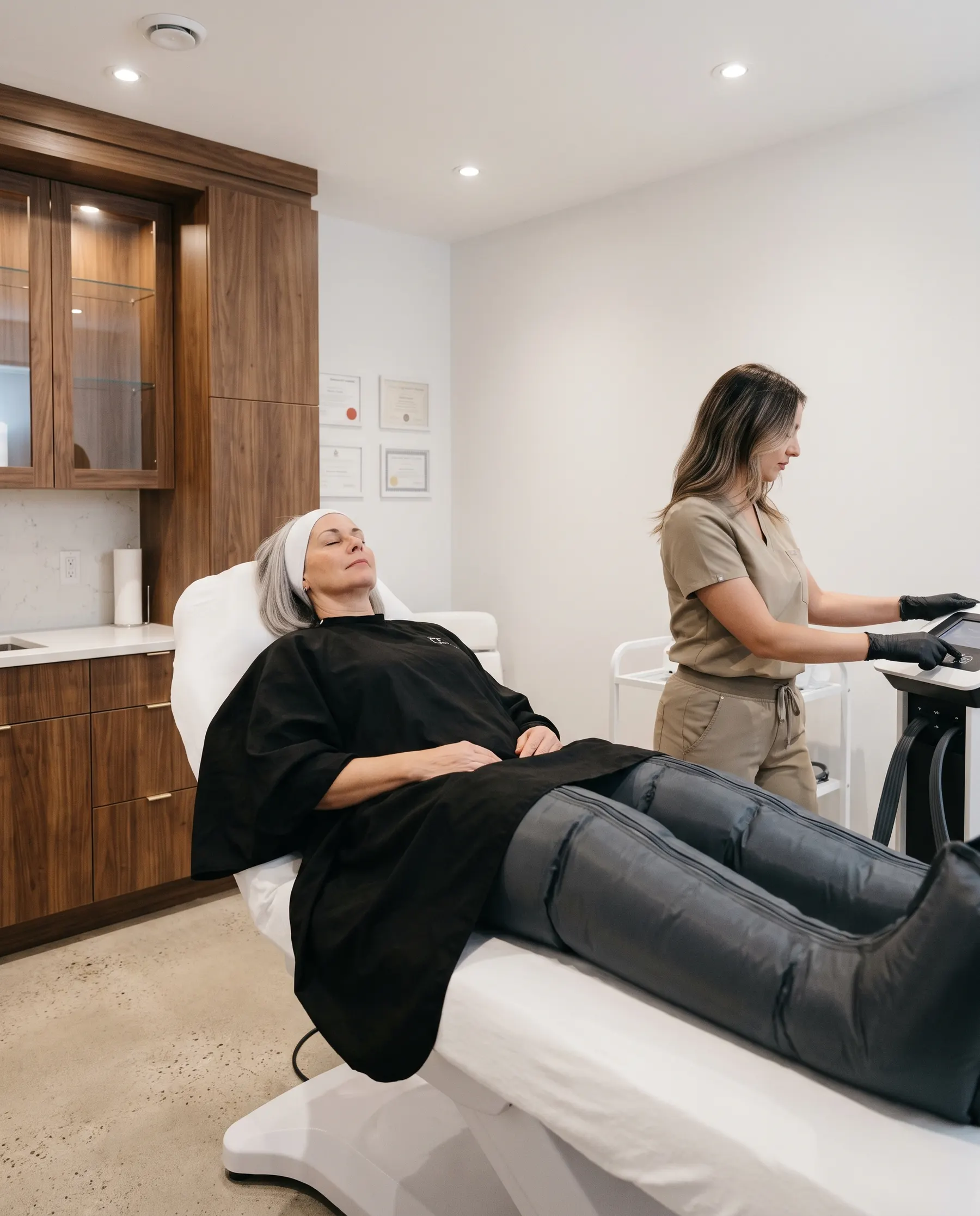
4
The compression cycles
They follow one another for the programmed length. You have nothing to do.
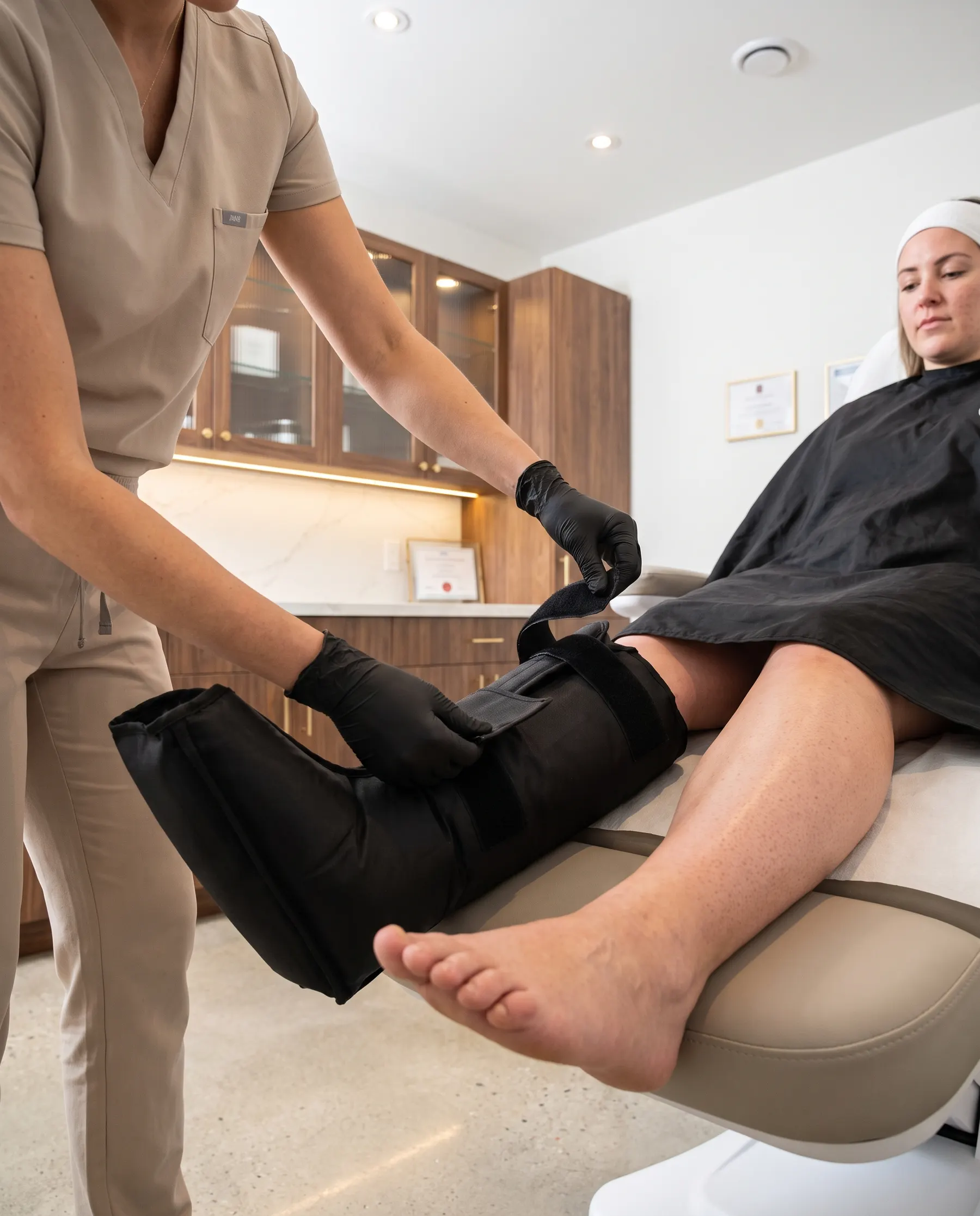
5
Decompression and taking the boots off
At the end of the programme, the chambers deflate completely, then the boots come off. You leave straight away.
Why choose L'Institut Béa
A CONSULTATION THAT FILTERS THE CONTRAINDICATIONS
Unusual swelling is not treated automatically: we first check that there is no reason to point you to a health professional.
PRESSURE THAT IS ADJUSTED
The compression should be firm but comfortable. We adapt the settings, and we stop the treatment in case of pain, numbness or any unusual sensation.
A TREATMENT THAT FITS INTO A DAY
45 minutes, fully dressed, with no oil and no usual downtime.
Their experienceat Béa
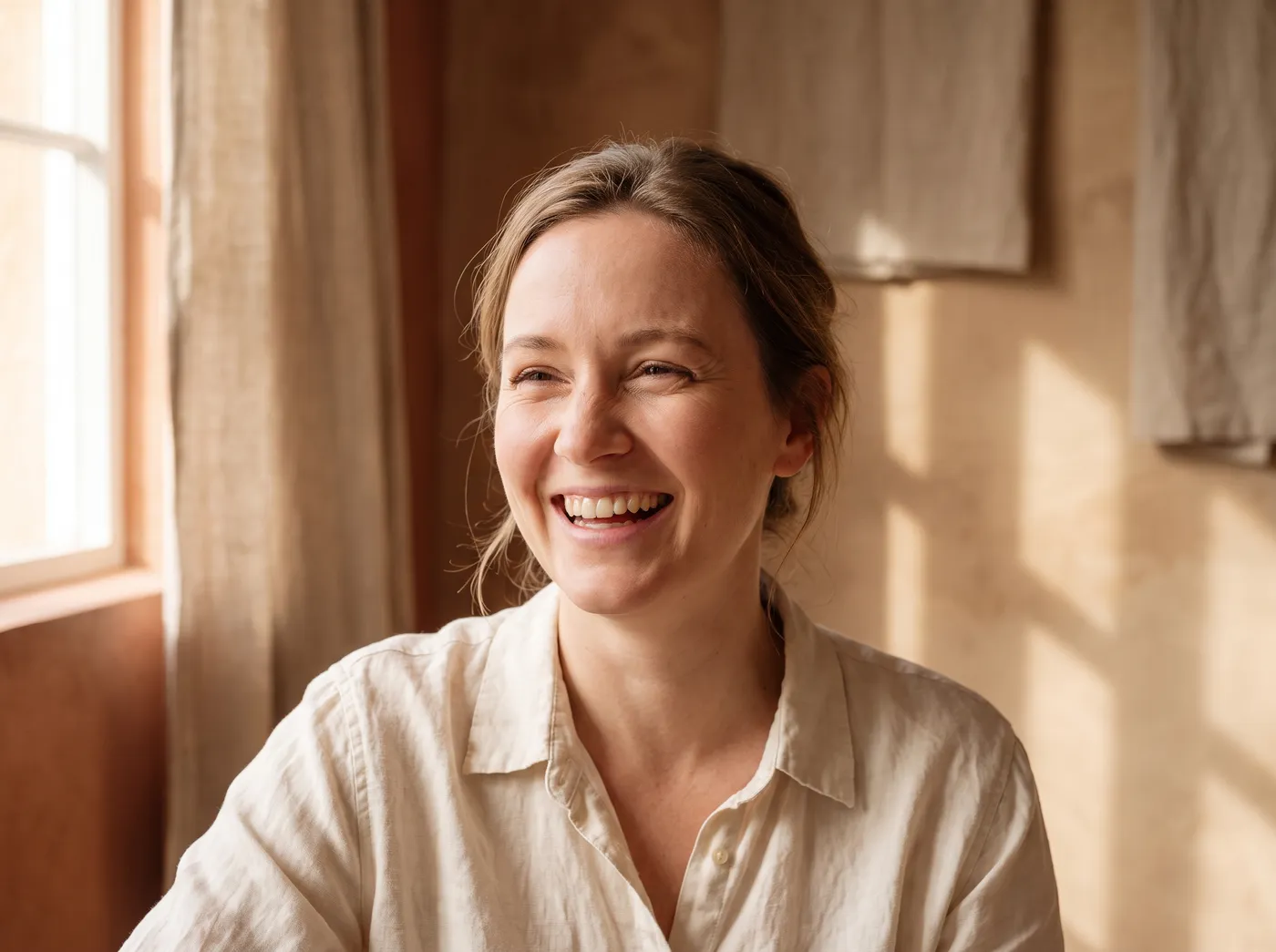
Beautiful Spa that is a one stop shop for all your beauty, body and aesthetic needs. The staff is skilled, warm and inviting and the zen decor makes you want to never leave. I have loved all of my services thus far, and I will continue to come back to discover new services.
Kim B.
Fresha review
Frequently asked questions
Everything people ask us before a first session, answered plainly.
Does it hurt?
Generally comfortable. You feel the pressure rise and release in waves starting at the feet; the closest sensation is a blood-pressure cuff. If it becomes painful, too tight, or if it makes the leg go numb, say so straight away so we can stop or adjust the session. Plenty of clients fall asleep.
Do I need to undress?
No, and on that count it is one of the simplest treatments at the institute. The boots go over light clothing, a thin legging, shorts or soft trousers. We provide what you need if you arrive in jeans, which would get in the way of the compression. There is no handling, no direct contact with the skin and no conversation to keep up, which makes it a good first body treatment. Bring socks; they are more comfortable than bare feet inside the boots.
How long does the effect last?
The feeling of lightness can be immediate, but it is temporary. How long it lasts depends above all on why your legs swell, and on what happens next in your day. One session can bring some relief on the day for some people; if it is your daily routine that keeps you still, the treatment belongs to a regular rhythm instead. What genuinely extends the effect is everyday habits: moving every hour, raising your legs in the evening, and following medical advice where therapeutic compression is indicated.
Does it slim the legs?
No. The confusion is fed by the fact that a leg that has gone down looks slimmer as you leave, sometimes noticeably at the ankle. What leaves is fluid held in the tissue, not fat. Where real swelling is present, the circumference can temporarily go down. That is not a loss of fat, though, and we do not promise a measurable change after every session. If the swelling returns because your daily routine does not change, the sensation returns too.
Can I have it during pregnancy?
At L'Institut Béa, we do not do pressotherapy during pregnancy. That policy is deliberately cautious, and it is frustrating to say, because heavy legs are one of the most common discomforts of pregnancy. Raise it instead with the professional following your pregnancy. If they confirm that an adapted massage or drainage is appropriate, Isabelle can then work out with you what she can do within her scope of practice, in manual lymphatic drainage.
What is the difference with manual lymphatic drainage?
Pressotherapy automatically applies a compression sequence set by the device, over the areas the boots cover. Manual lymphatic drainage is done by hand by Isabelle, who continuously adapts the pressure, the areas and the sequence to what she observes. Pressotherapy is the legs above all, 45 minutes, $45, fully dressed, simple, for a feeling of heavy legs or light swelling. Manual lymphatic drainage is manual work, more individual, which can include other parts of the body, and which comes with a massage therapy receipt.
Can it be combined with another body treatment?
Pressotherapy can be added to another treatment when it answers a distinct goal, a feeling of heavy legs for example. There is no need to combine it systematically with wood therapy or Slimwave, and we do not present it as a step that clears out what another treatment has displaced. It is also the least demanding treatment in the pillar, so the easiest to add to an already busy day.

Ready to meet the best version of yourself?
Send us your questions and we will guide you toward the treatments that suit you best.