
Lymphatic drainage in Laval
A feeling of lightness that settles in during the session itself. Manual lymphatic drainage works on heavy legs, a puffy face on waking, and recovery.
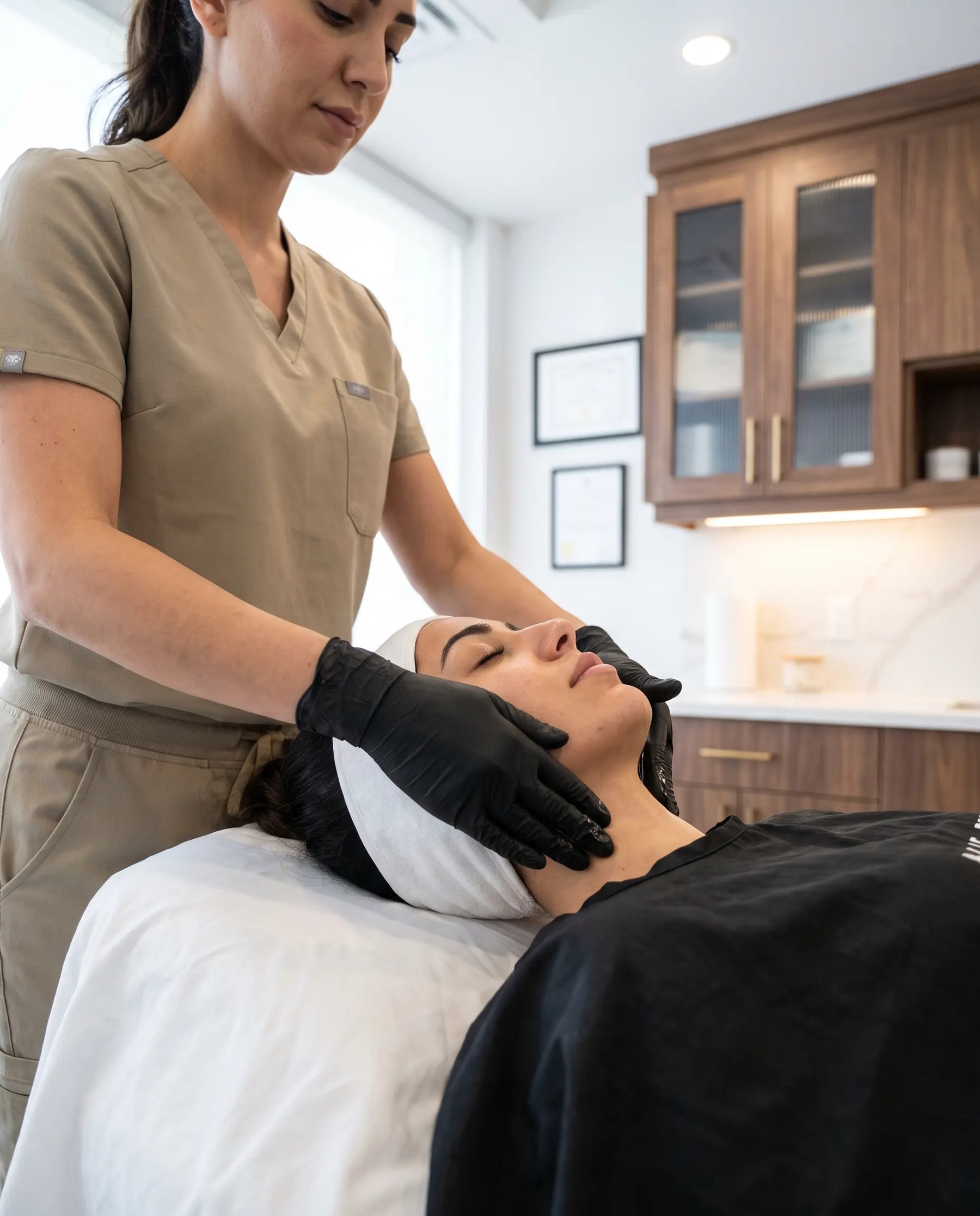
NATURE OF THE TREATMENT
Massage therapy. Insurance receipt provided. No medical procedure.
What is lymphatic drainage
Manual lymphatic drainage supports the circulation of lymph through slow, rhythmic pressure, in the direction of return.
Your lymphatic system carries waste and excess fluid out of the tissue. It mirrors the blood network, with one major difference: it has no pump. Lymph moves through muscle contraction, through breathing and through pressure applied from the outside.
This treatment addresses the feeling of heaviness, end-of-day swelling, a congested face on waking and recovery.
It is an entirely manual treatment, with far lighter pressure than a massage.
price
- $80 for facial drainage
- $120 for 60 minutes of body drainage
- $160 for 90 minutes
- Insurance receipt provided at every session
length
- 40 minutes for the face alone
- 60 or 90 minutes for the body
- Direct booking, with no consultation beforehand
- Nothing to prepare
areas treated
- Full body, legs first
- Face alone
- Face and back combined
- The nodes of the neck and underarms, always first
how it feels
- Generally painless, the pressure is very light
- It moves the skin without compressing what is underneath
- Some people doubt anything is happening
- Suits people who are uncomfortable with firm touch
after the session
- None, you carry straight on
- Needing the bathroom often in the hours that follow
- Drink more through the day
- Mild tiredness in some people
what it addresses
- Heavy legs
- Ankles that swell by the end of the day
- A congested face on waking
- Recovery after exercise or a period of immobility
Is lymphatic drainage right for you?
This treatment supports circulation that has slowed. Here are the situations where it makes a difference.
Swelling that appeared suddenly, in one leg only, or that comes with pain or redness, needs a doctor first. This treatment does not replace medical care, and we would rather turn you away than take you into a session.
You spend your days seated or standing
Lymph moves through movement. When there is none, it slows and fluid pools.
Your face is puffy when you wake up
Lying down overnight does not help evacuation, and the face congests easily.
An event is coming up
The feeling of lightness is immediate; there is nothing to wait for after the session.
Firm touch makes you uncomfortable
The pressure used here is the lightest in the whole institute, and that is the technique itself.
Contraindications
A BLOOD CLOT OR A CIRCULATORY CONDITION
A known or suspected clot rules the treatment out. Sudden swelling in one leg only needs a medical opinion before you even book.
A FEVER OR AN INFECTION
Drainage mobilises the system that carries what the body clears. During an infection, we postpone the session.
A HIGH-RISK PREGNANCY OR RECENT SURGERY
Pregnancy itself rules nothing out. A high-risk pregnancy needs your doctor's agreement. After surgery, it is your surgeon's written instructions that decide.
A treatment adjusted to your circulation
Four principles govern the work, and they explain why this treatment is like no other.
- THE DIRECTION
- Every movement goes from the extremities toward the heart, never the other way. A movement in the wrong direction does not do nothing, it works against the system.
- THE ORDER
- The session starts by clearing the nodes upstream, at the base of the neck and under the arms, before working the area that is the problem. Without that step, fluid is pushed toward a passage that is still blocked.
- THE RHYTHM
- The movements are slow and repeated several times in the same place. Lymph moves at a pace no extra pressure speeds up.
- THE LIGHTNESS
- The pressure is what it takes to move the skin without compressing what is underneath. It is what surprises people most, and it is what makes it work.
The session step by step
We want to do everything we can to bring you toward the best version of yourself. That is why every session follows the same steps.
1
The starting point
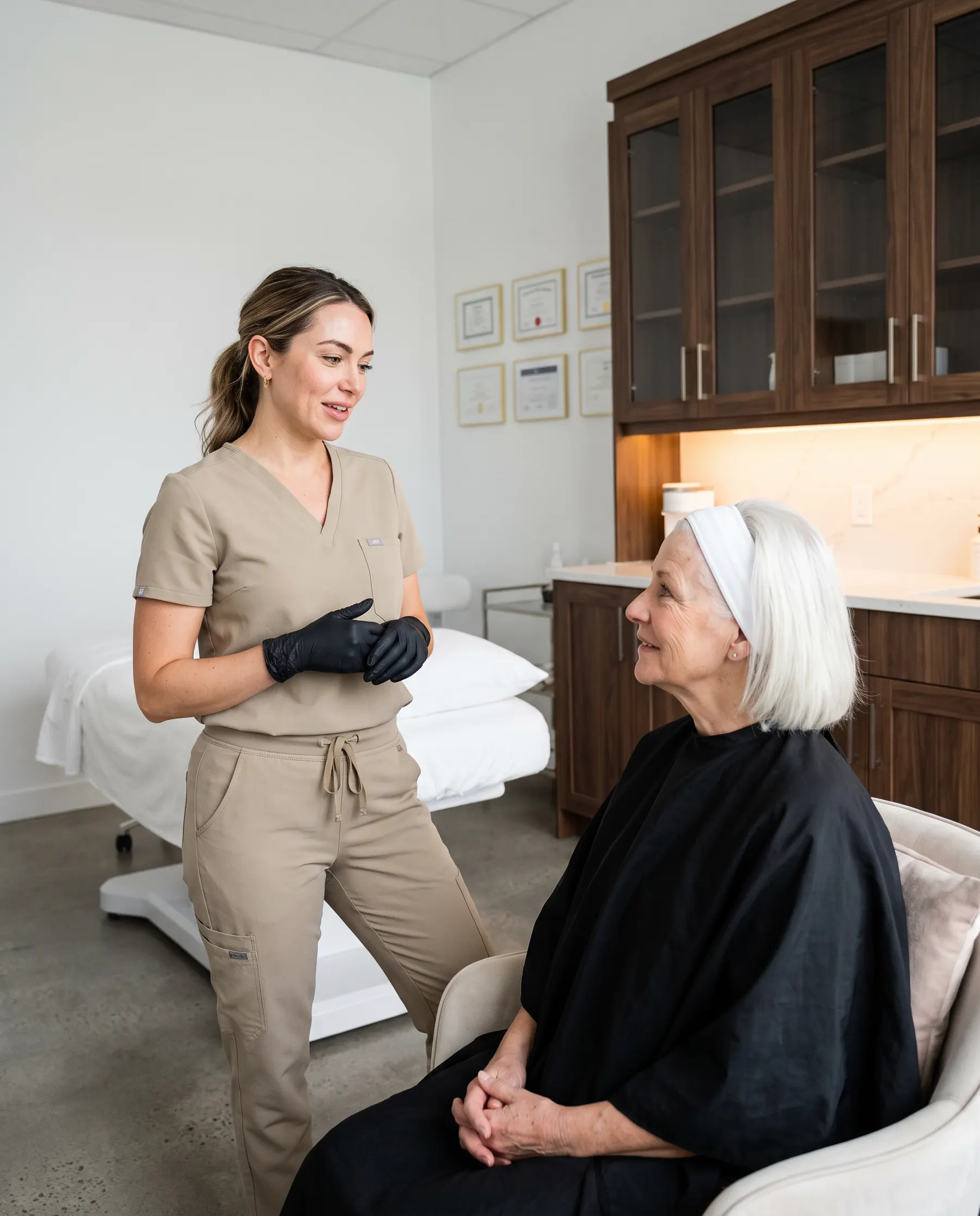
Isabelle goes over the areas involved with you and checks that no circulatory contraindication applies.
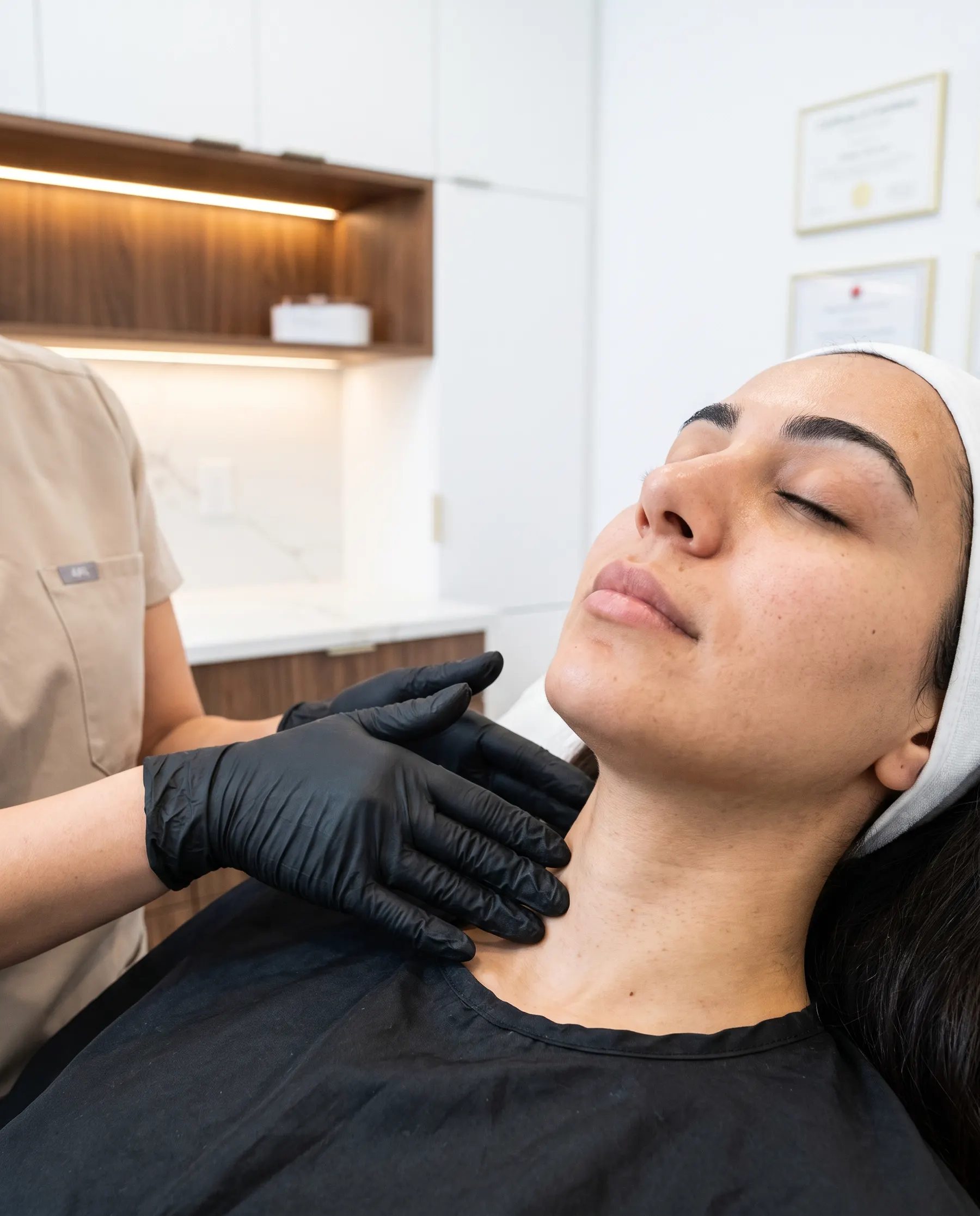
2
Opening the nodes
The work starts upstream, at the base of the neck and under the arms, to open the passage.
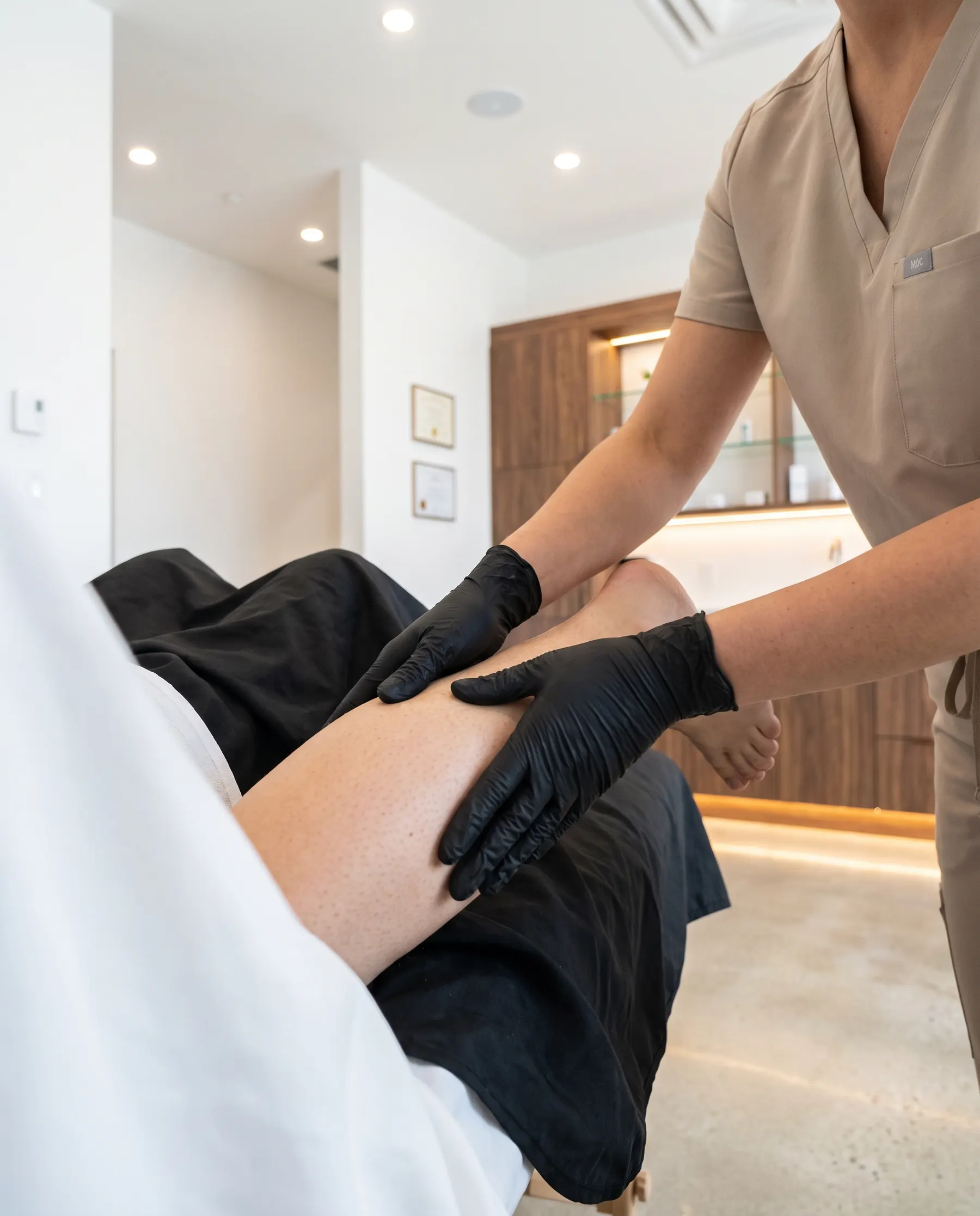
3
Draining the area
Through slow, repeated movements, always toward the heart, on the area that brought you in.
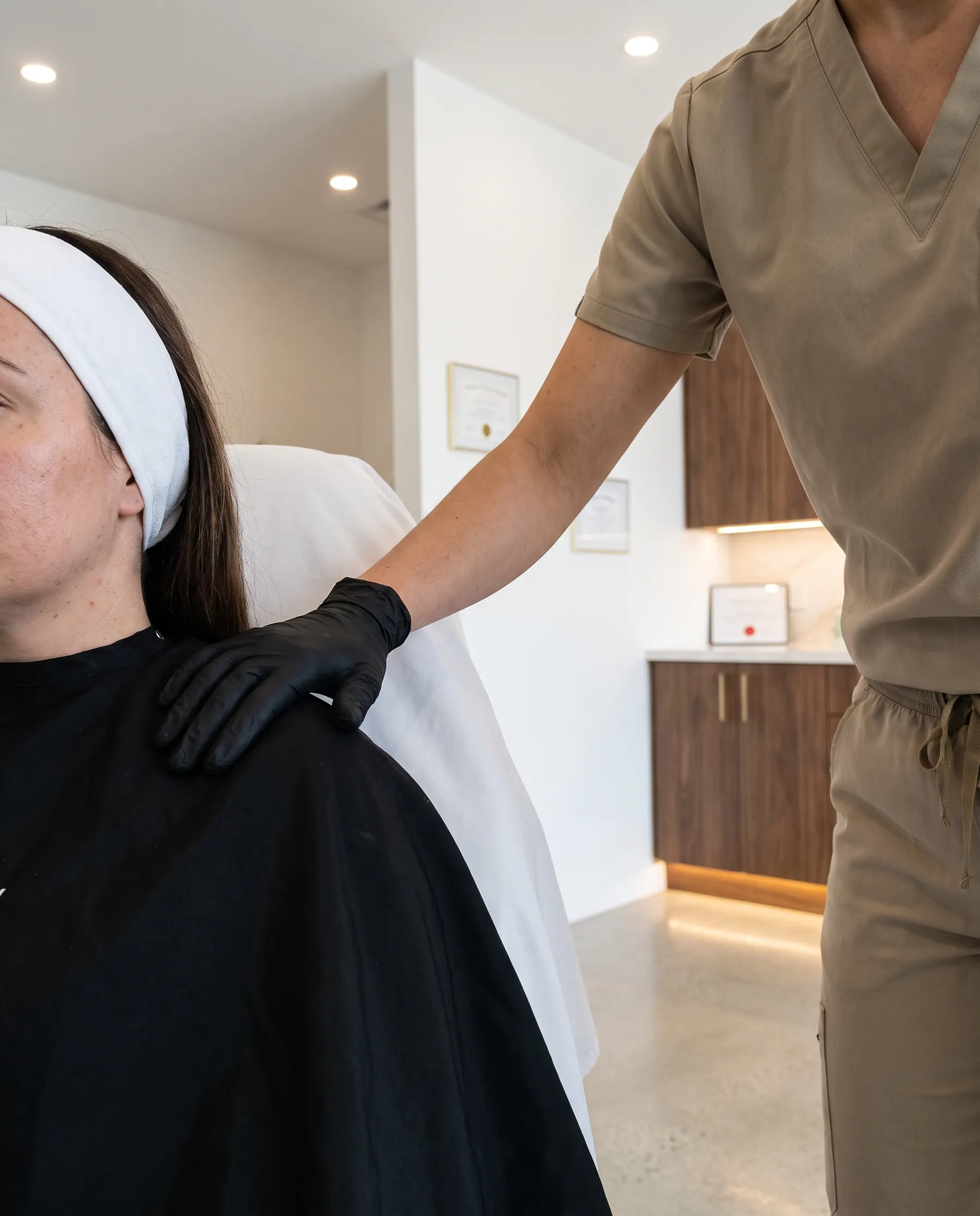
4
Winding down
The session slows gradually rather than stopping abruptly.
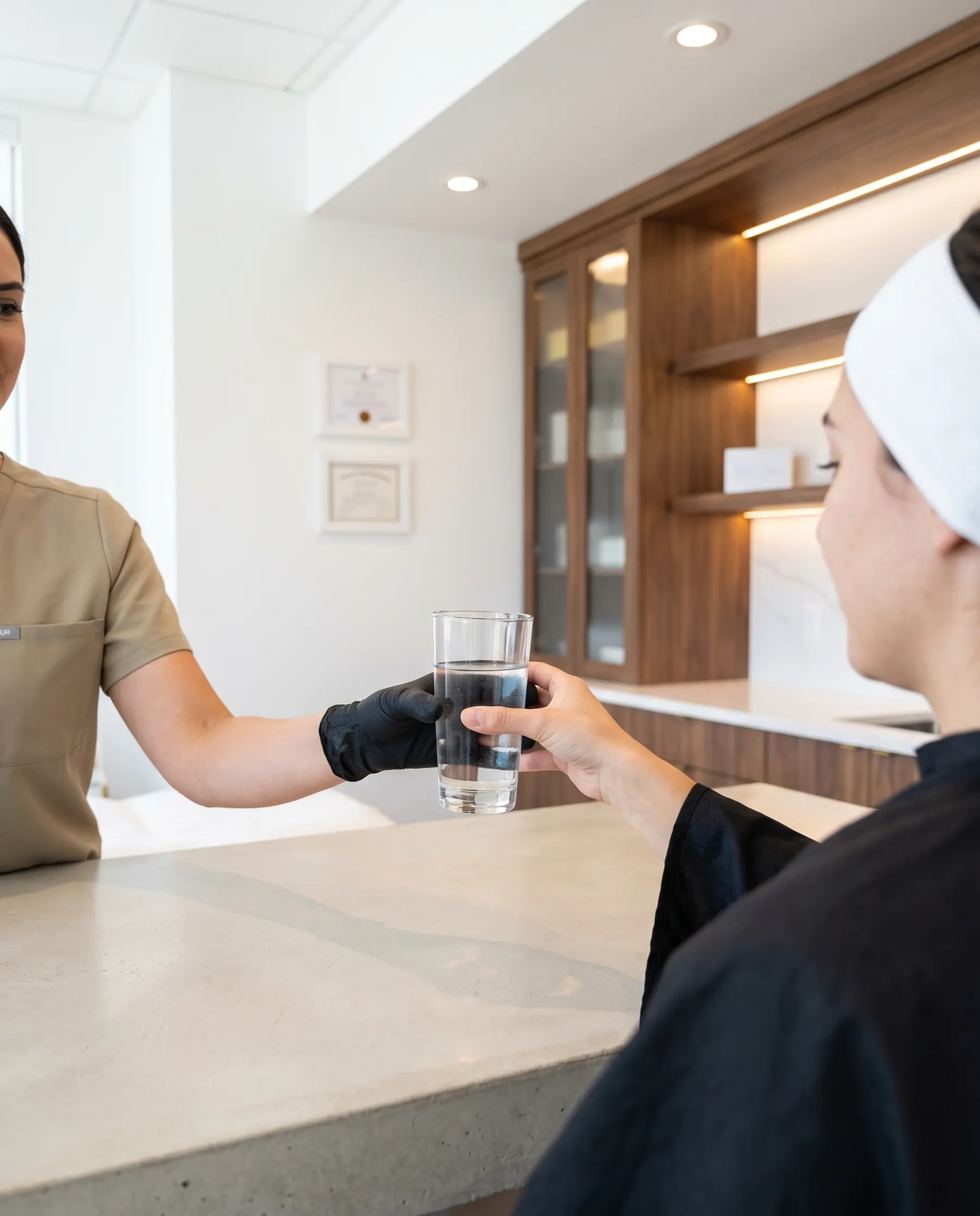
5
Instructions for the hours that follow
Drink more, move a little, and do not follow a first session with an intense evening.
Why choose L'Institut Béa
INSURANCE RECEIPTS
Isabelle provides a massage therapy receipt at every session, recognised by most insurers.
A TEAM THAT CARES
The institute brings together professionals from different trades, with a single goal: the best version of you.
A SESSION BUILT FOR YOU
We adapt the area and the length to what brings you in that day, to your goals, and to what the previous session gave.
Their experienceat Béa
Place is clean, staff is polite and courteous, attentive to your needs, and prices are reasonable.
Giovanna I.
Fresha review
Frequently asked questions
Everything people ask us before a first session, answered plainly.
Why is the pressure so light?
Because lymphatic vessels run just under the skin, a few millimetres from the surface, unlike the deeper vessels a massage targets. Firm pressure crushes them and interrupts the flow, which produces the opposite of what you want. The right pressure moves the skin without compressing what is underneath, which is very little force. Plenty of people leave their first session wondering whether anything happened, then notice the difference in the hours that follow, often when putting their shoes on.
What is facial drainage for?
For clearing puffiness, the kind you wake up with or the kind that follows a bad night or a salty meal. The face holds a dense lymphatic network, particularly around the eyes and along the jaw, and it congests easily. Isabelle does it on its own or combined with the back. Two useful clarifications: it acts on swelling, not on a hollow or on colour. If your concern is the eye area, the dark circles page gives the four tests that tell you which kind you have.
How many sessions should I plan for?
A single session already gives a feeling of lightness, which sets this treatment apart from most others. The question is rather whether your swelling is occasional or established. Common practice generally puts one session as enough after a flight or a hot spell, and a regular rhythm when it is daily life that keeps you still. What extends the effect does not happen here: moving every hour, raising your legs in the evening.
Can I have it after surgery?
The answer depends entirely on your surgeon. Post-operative drainage is a recognised and often recommended practice, but the wait before starting, the areas allowed and the technique all have to be validated by whoever operated on you: those change with the procedure, and starting too early can harm healing. Bring their written instructions rather than a memory of a conversation. Without them, Isabelle will prefer to postpone.
What time of day is best to book?
Late in the day if your swelling comes from prolonged standing or sitting: that is when the build-up is greatest and the relief is felt most. In the morning if you want a visible effect for an event that evening. For facial drainage, morning has a particular advantage, since overnight congestion is then at its strongest. There is no bad time, but what you feel is not the same.
Is it tiring?
Some people feel mildly tired after the session, comparable to how you feel after a long hot bath. It is temporary and generally described as pleasant. Others come out with a sense of energy instead. Both reactions are normal and impossible to predict before trying. Plan not to follow your first session with an intense evening, until you see how your body reacts.
What is the difference with a regular massage?
Almost everything, except the person doing it. A massage works the muscle at depth, with firm pressure. Drainage works just under the skin, with the lightest pressure in the institute, and it follows a precise route rather than areas of tension. Both come with an insurance receipt because Isabelle is a massage therapist. If muscular tension is what brings you in, massage therapy is what you need. If it is heaviness, it is this.

Ready to meet the best version of yourself?
Send us your questions and we will guide you toward the treatments that suit you best.