
Reiki in Laval
An hour lying down, fully dressed, with nothing to do and nothing to say. Reiki addresses stress, restlessness that will not come down, and nervous fatigue.
NATURE OF THE TREATMENT
A relaxation practice. No medical treatment or diagnosis.
What is reiki
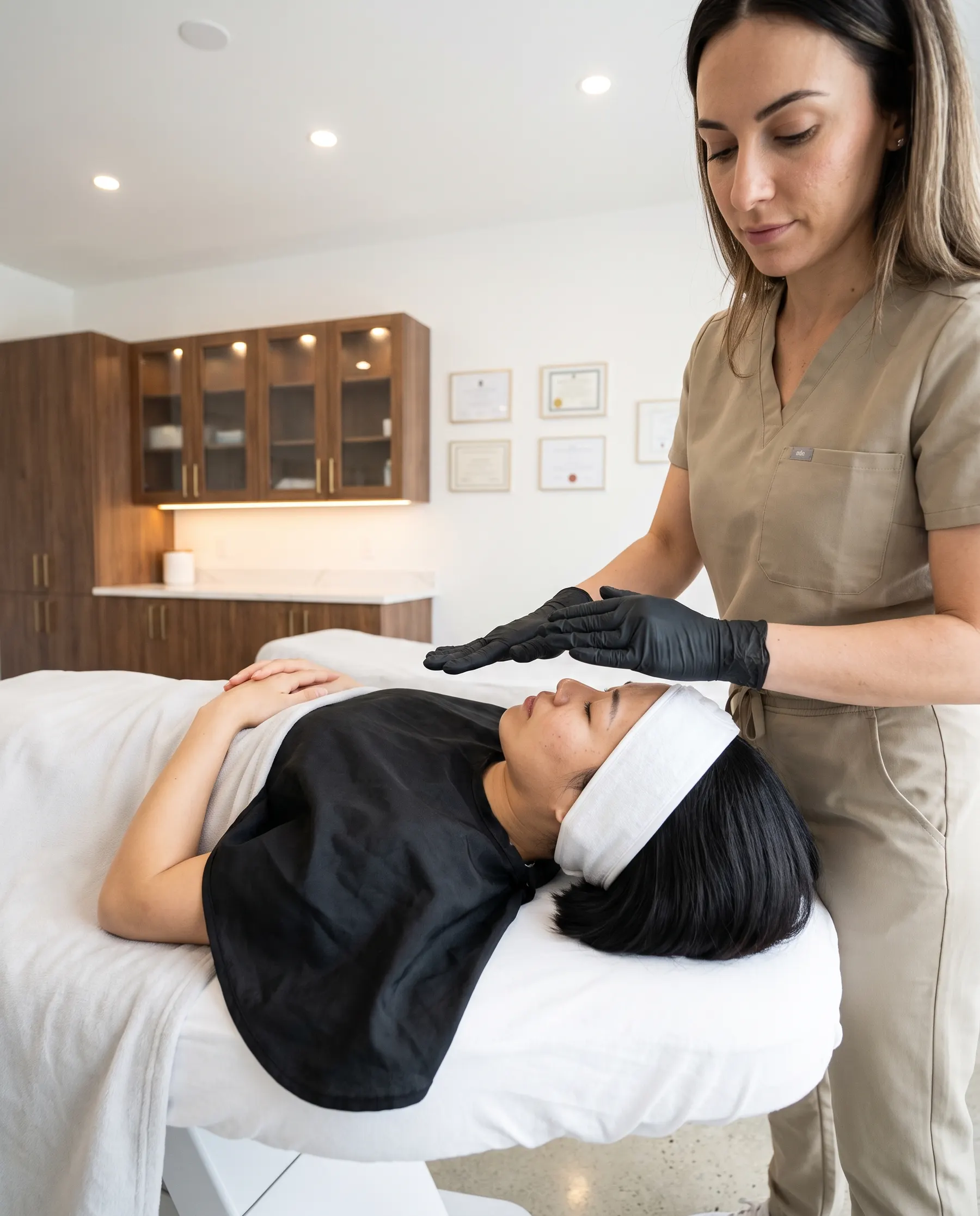
Reiki is a Japanese relaxation practice using the laying on of hands, formalised in the 1920s.
How it goes is disarmingly simple. You stay dressed, lying on a table. The practitioner places her hands on a series of points, or a few centimetres above them, and holds each for a minute or two. No manoeuvres, no pressure, no manipulation.
This treatment addresses stress, restlessness, the need for calm and nervous fatigue.
It is a relaxation practice, and it is not recognised by medicine. We do not present it as anything else.
price
- $80 for the short option
- $120 for the full session with chakra realignment
- One option combines massage and reiki
- No series to buy, each visit is paid for on its own
length
- 30 minutes or one hour, your choice
- Direct booking, with no consultation beforehand
- Nothing to prepare
- You stay dressed from start to finish
what happens
- You lie on a table, dressed
- The hands rest on or above a series of points
- There is nothing to do, nothing to say, nothing to follow
- Silence is the default
how it feels
- Nothing, since there is neither pressure nor manipulation
- Most often a diffuse warmth under the hands
- Sometimes light tingling, often nothing
- None of those reactions measures anything
after the session
- None, you carry straight on
- A calm that carries through the day
- Sometimes an urge to sleep
- Some people feel nothing in particular
what it is not
- A treatment
- A therapy
- A substitute for medical or psychological care
- A religious practice
Is reiki right for you?
This treatment offers an hour of calm, no more and no less. Here are the situations where it makes a difference.
If you are looking to treat a specific problem, physical or psychological, this is not the right appointment. We will not pretend otherwise. Reiki offers a moment of calm.
Your head will not stop
A stretch of overload, restless sleep, agitation that lingers in the evening.
Firm touch makes you uncomfortable
No pressure and no manipulation. It is often the option for someone put off by massage.
You do not want to take anything off
You stay dressed from start to finish, apart from shoes and any jewellery in the way.
You have never been on a treatment table
It is often the most approachable first experience, because there is nothing to do.
Contraindications
NO PHYSICAL CONTRAINDICATION
There is no pressure, no product and no device. It is the least demanding treatment at the institute on that count, and nobody is turned away for a medical reason.
AN AREA YOU WOULD RATHER AVOID
Say so at the start. The path the hands take adapts, and nothing happens on an area you do not want touched.
A NEED THAT BELONGS ELSEWHERE
This is not a medical contraindication, but it is worth one. If you are going through something difficult and you are looking for care, look for a health professional. A session here will not replace anything.
A treatment adjusted to what you want
Four things are settled at the start, and they are enough to completely change the hour that follows.
- THE OPTION, 30 OR 60 MINUTES
- The short option gives a fair idea of what this is. The full hour leaves time to genuinely come down, and includes the chakra realignment.
- THE PATH THE HANDS TAKE
- It generally runs from the head toward the feet, pausing at each position for as long as it needs, and it avoids the areas you named.
- SILENCE OR CONVERSATION
- You can talk if you feel like it, but nothing obliges you to, and most sessions pass without a word.
- THE SETTING
- Music, scented oil, lighting: those are comfort choices, not part of the practice. Say so and we remove them.
The session step by step
We want to do everything we can to bring you toward the best version of yourself. That is why every session follows the same steps.
1
One simple question
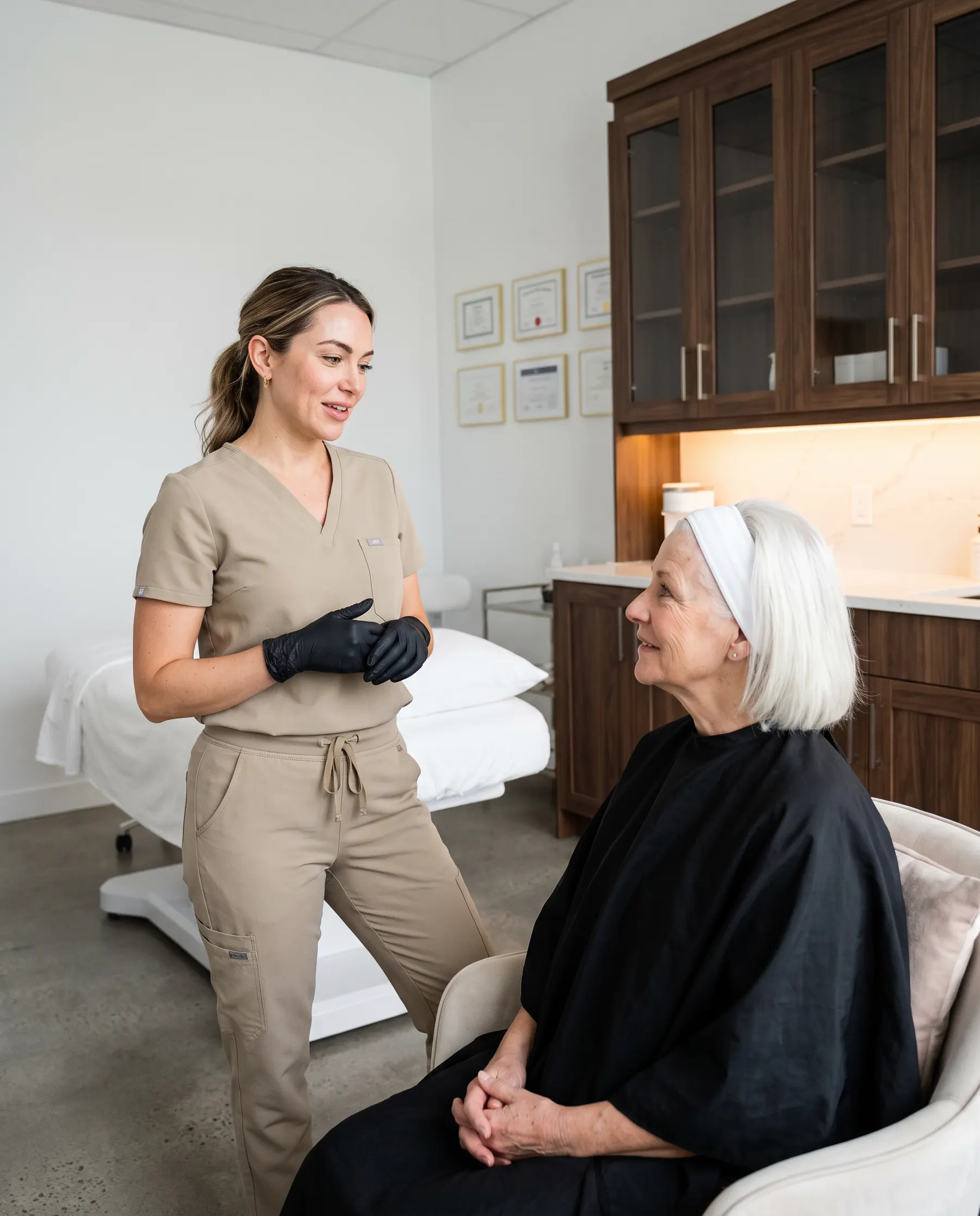
Isabelle asks how you are and whether there are areas you would rather she avoided.
2
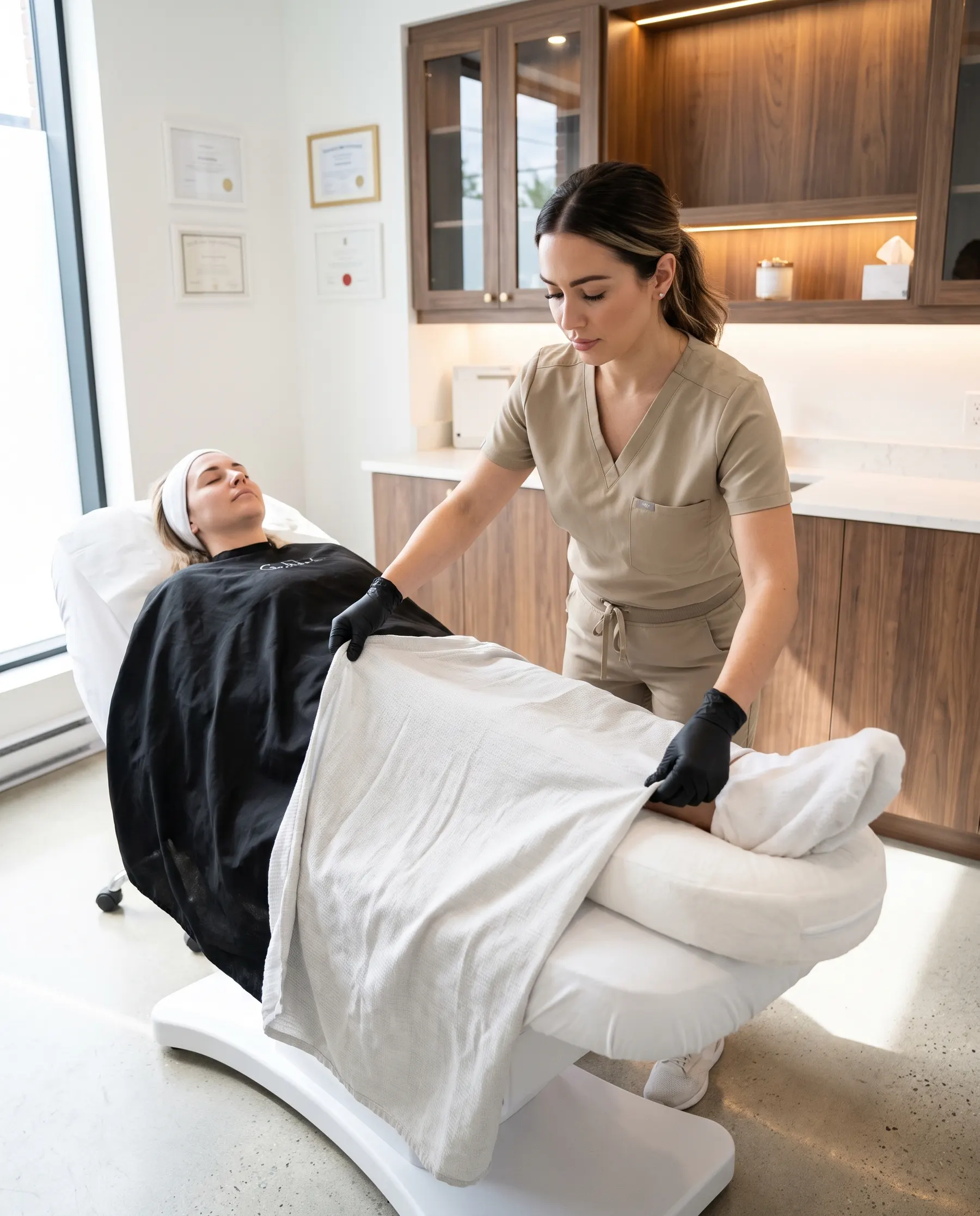
Settling in
You lie down on the table, dressed, with a blanket if you want one.
3
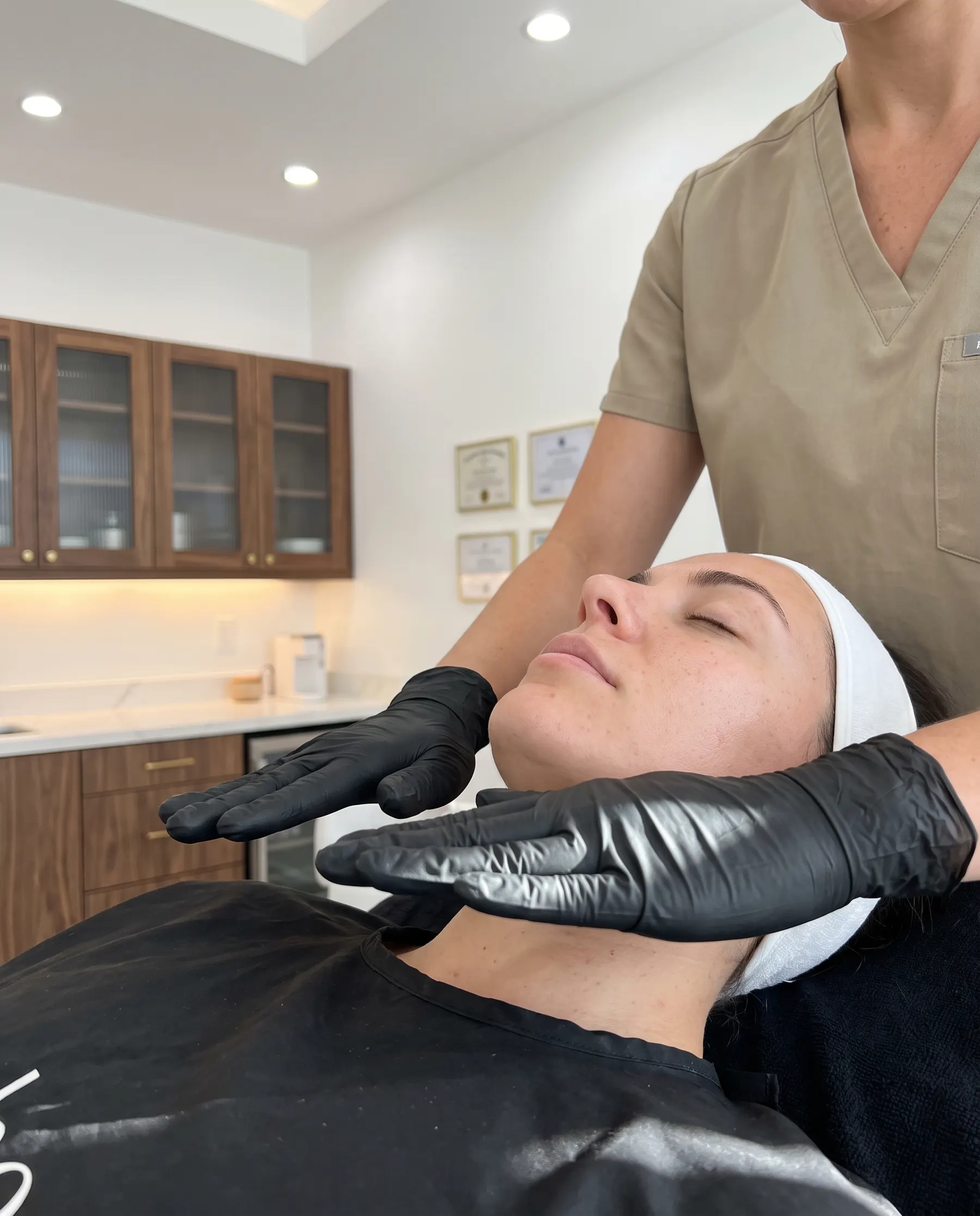
The path of the hands
They rest on or above a series of points, staying at each. There is nothing to do.
4
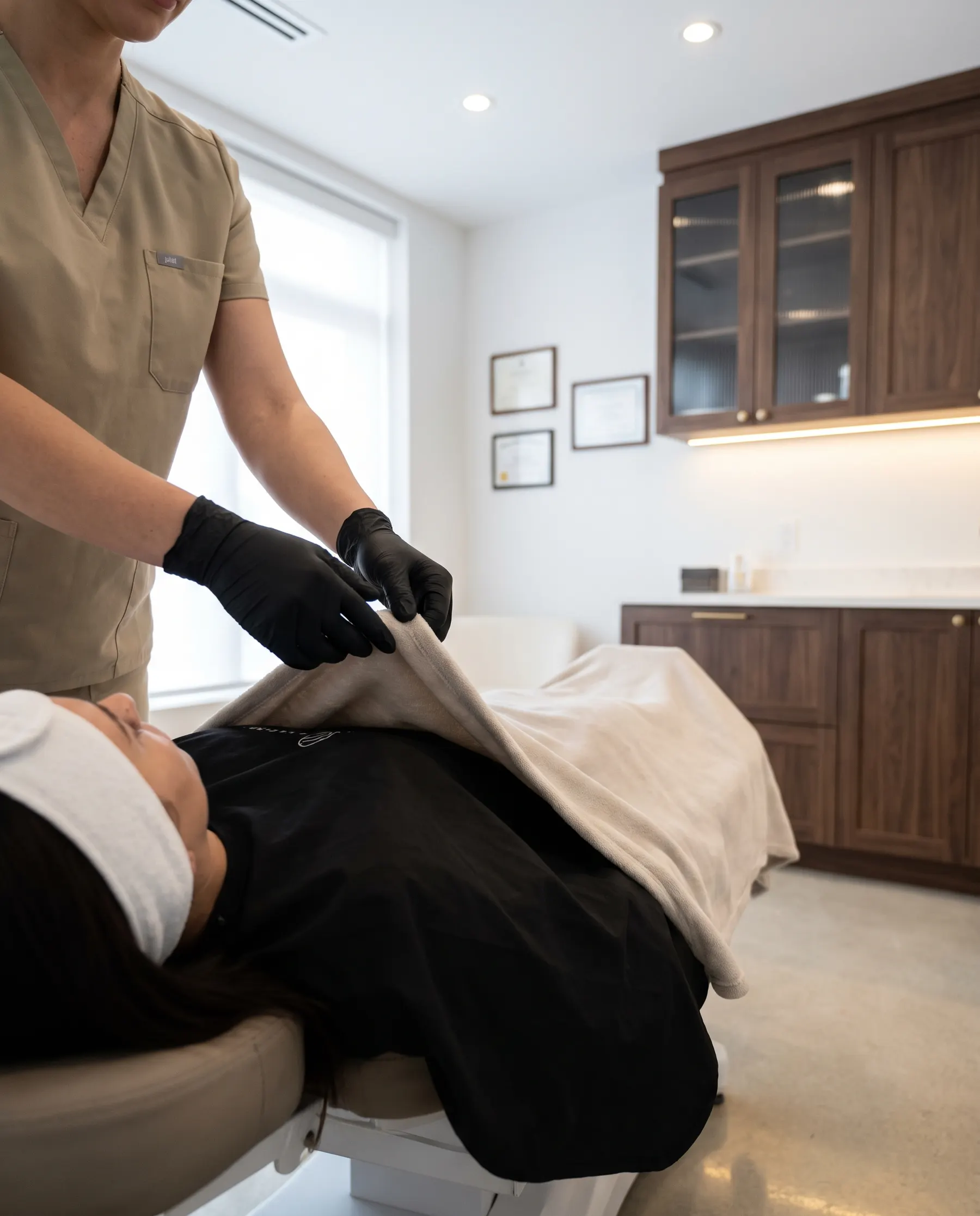
The end of the path
Isabelle lifts her hands away gradually rather than all at once.
5
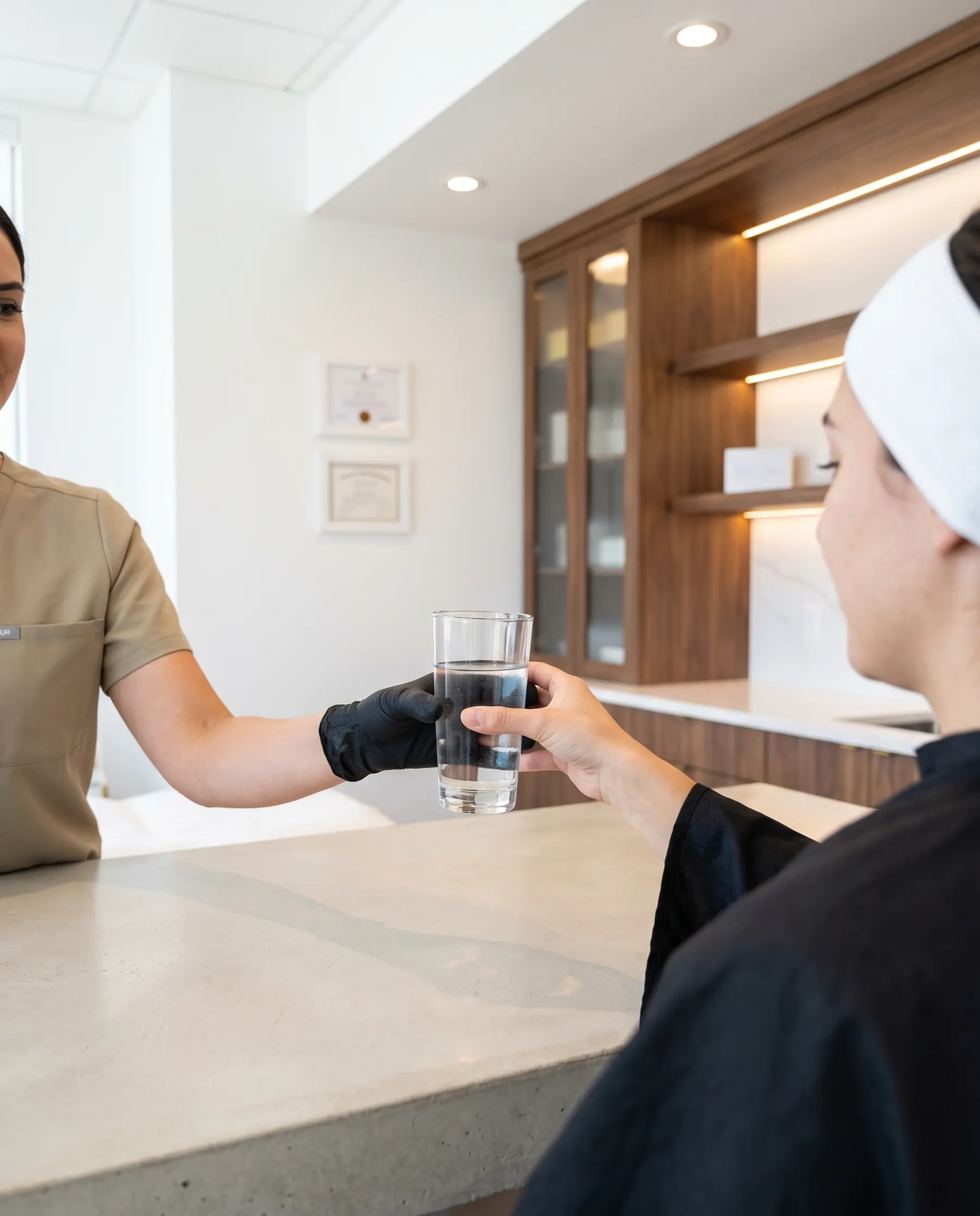
A few minutes to yourself
You get up at your own pace. Nobody will ask you what you thought of it.
Why choose L'Institut Béa
A SETTING WITH NO PROMISES
We tell you exactly what this practice is and what it is not.
A TEAM THAT CARES
The institute brings together professionals from different trades, with a single goal: the best version of you.
A SESSION BUILT FOR YOU
We adjust the option, the path and the setting to what you want that day.
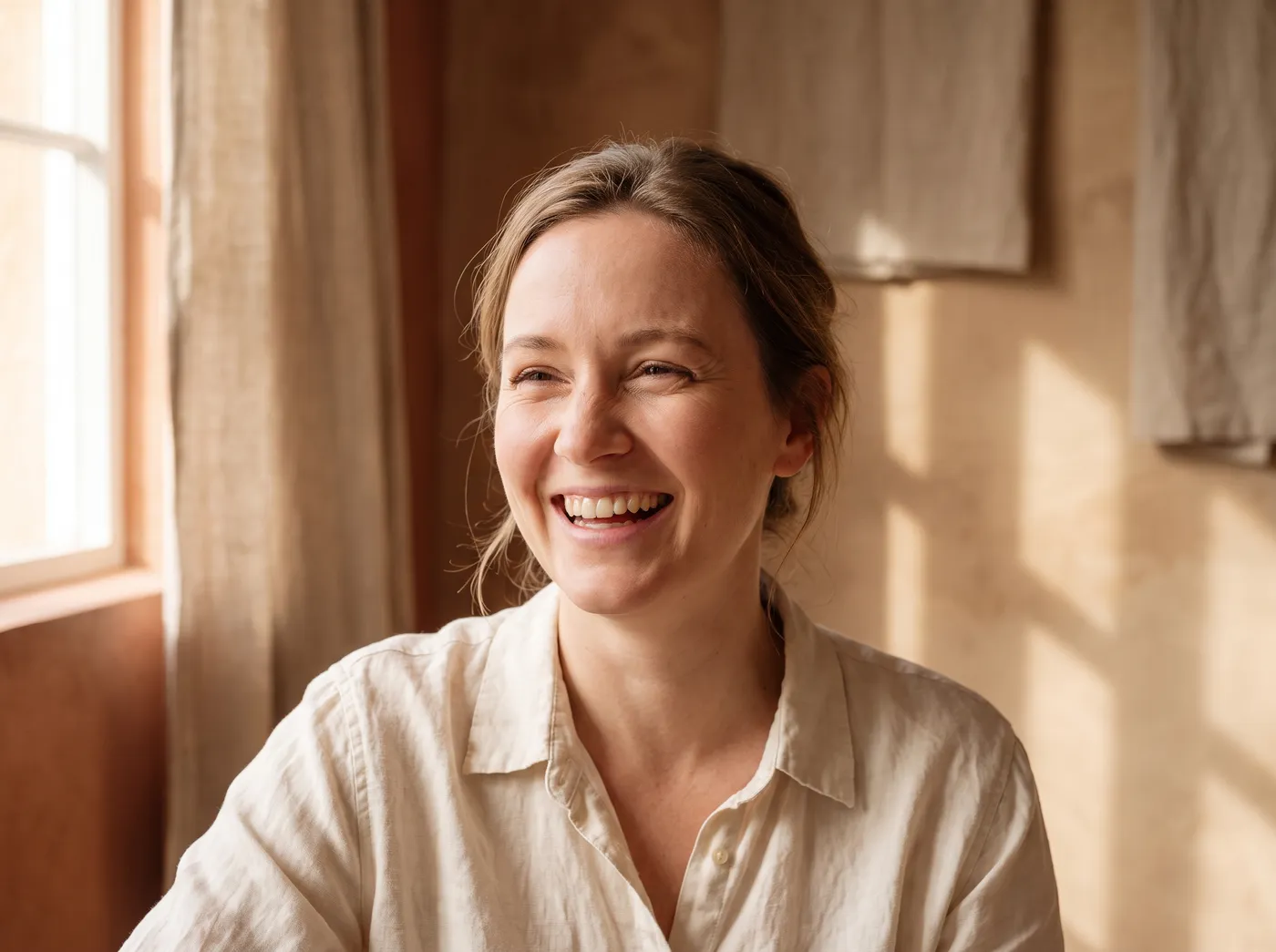
Their experienceat Béa
Isabelle is an outstanding person. Reiki with massage was the best combo. Recommend this to everyone who is looking to connect with themself.
Karen H.
Fresha review
Frequently asked questions
Everything people ask us before a first session, answered plainly.
Do I have to believe in it for it to work?
No, and it is probably the most honest question anyone could ask on this page. Plenty of people arrive frankly sceptical and leave relaxed, simply because an hour lying down in silence, with no screen, no conversation to keep up and nothing to accomplish, produces an effect in itself that nobody disputes. It is a state you almost never reach in an ordinary day. You have nothing to sign up to, nothing in particular to feel and nothing to prove. Come with your reservations; they are welcome.
What does a session actually feel like?
It varies a great deal from one person to the next, and there is no typical experience. The most common descriptions are a diffuse warmth under the hands, a release in the shoulders and the jaw, sometimes light tingling. Plenty of people fall asleep, which is not awkward in the least. Others feel nothing in particular and still find the hour pleasant. Some people have an unexpected emotional reaction, tears with no identifiable reason, which is surprising but common after a long release. There is no correct reaction.
Is it religious?
No. Reiki comes from Japan, it was formalised in the 1920s, and its vocabulary borrows from an Eastern conception of energy that belongs to no religion. The practice asks for no adherence, involves no ritual of belief and carries no message. No prayer, no chanting, no compulsory incense, no talk to sit through. You lie down, dressed, the hands rest on or above a series of points, and that is all that happens.
Thirty minutes or an hour, how do I choose?
The 30-minute option suits if you want to try without committing, or if you are after a pause in the middle of a busy day. The one-hour session includes the chakra realignment and leaves time to genuinely come down: the first half hour often goes to the body understanding it is allowed to let go, and it is generally in the second that the release settles. For a first time, the hour gives a far better idea of what the practice can offer.
Do I need to undress?
No, never, and it is one of the reasons many people choose this treatment first. You keep everything on; simply wear something comfortable that you can lie in for an hour. Only shoes and jewellery in the way come off. A blanket is available if you get cold, which happens often when you stay still for a long time.
Does it replace psychological or medical care?
Never, and it matters to say so plainly rather than leave any doubt. Reiki is neither a therapy nor a treatment, and Isabelle makes no diagnosis and gives no advice about any medication. If you are going through something difficult, a session may do you good, exactly the way a hot bath or a walk in the woods would do you good: it is a moment of respite. If you need professional support, look for it, and do not wait to see whether reiki is enough. The two can perfectly well exist side by side.
What is the difference with reflexology?
The contact. Reflexology works through firm pressure on the foot, and you feel the work from start to finish. Reiki is done through the laying on of hands, with no pressure, often a few centimetres from the skin. Both aim at the same state, a nervous system coming down, but by opposite routes: one occupies the body, the other leaves it alone. If muscular tension is what brings you in, massage therapy is what you need.
Ready to meet the best version of yourself?
Send us your questions and we will guide you toward the treatments that suit you best.