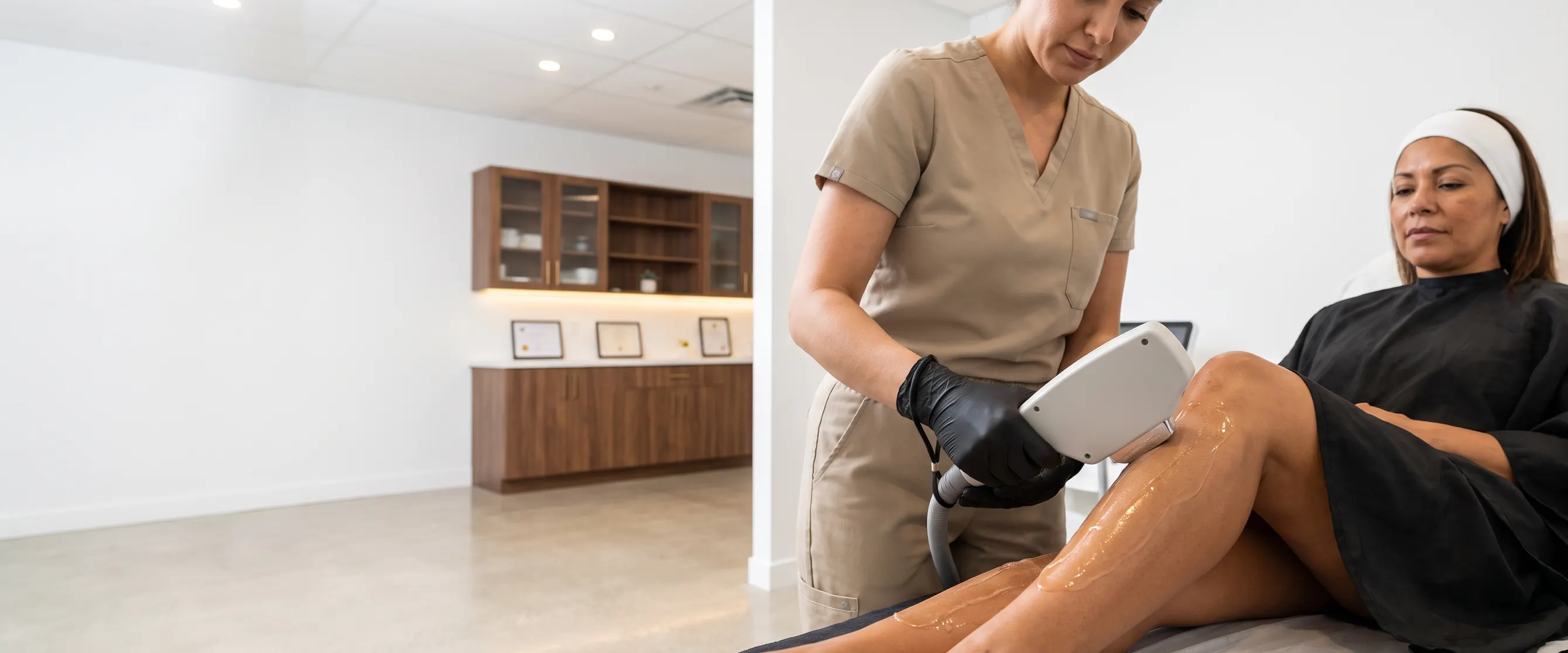
What does truly permanent hair removal mean?
Permanent hair removal reaches the follicle, the small cavity where the hair is made, deeply enough that it stops producing. Of the three techniques, only one officially claims it, and the gap comes down to two words.
A study published in 2022 in the journal Sexual Medicine sums it up: electrolysis devices are FDA-cleared for "permanent hair removal", and laser devices for "permanent hair reduction" (Yuan et al., 2022).
The nuance matters, and it is often missed. The same authors explain that the difference comes from the clearance process itself, not from a comparison of results: electrolysis was in use long before regulation began, while laser arrived with less data behind it.
So keep this in mind. Electrolysis aims for the treated hair to be gone, laser aims for regrowth that is clearly and stably reduced. Waxing makes no claim to anything lasting.
What each technique does to the follicle
Everything happens under the skin, inside the follicle. The three techniques reach it in different ways, and that is what decides what is left afterwards.
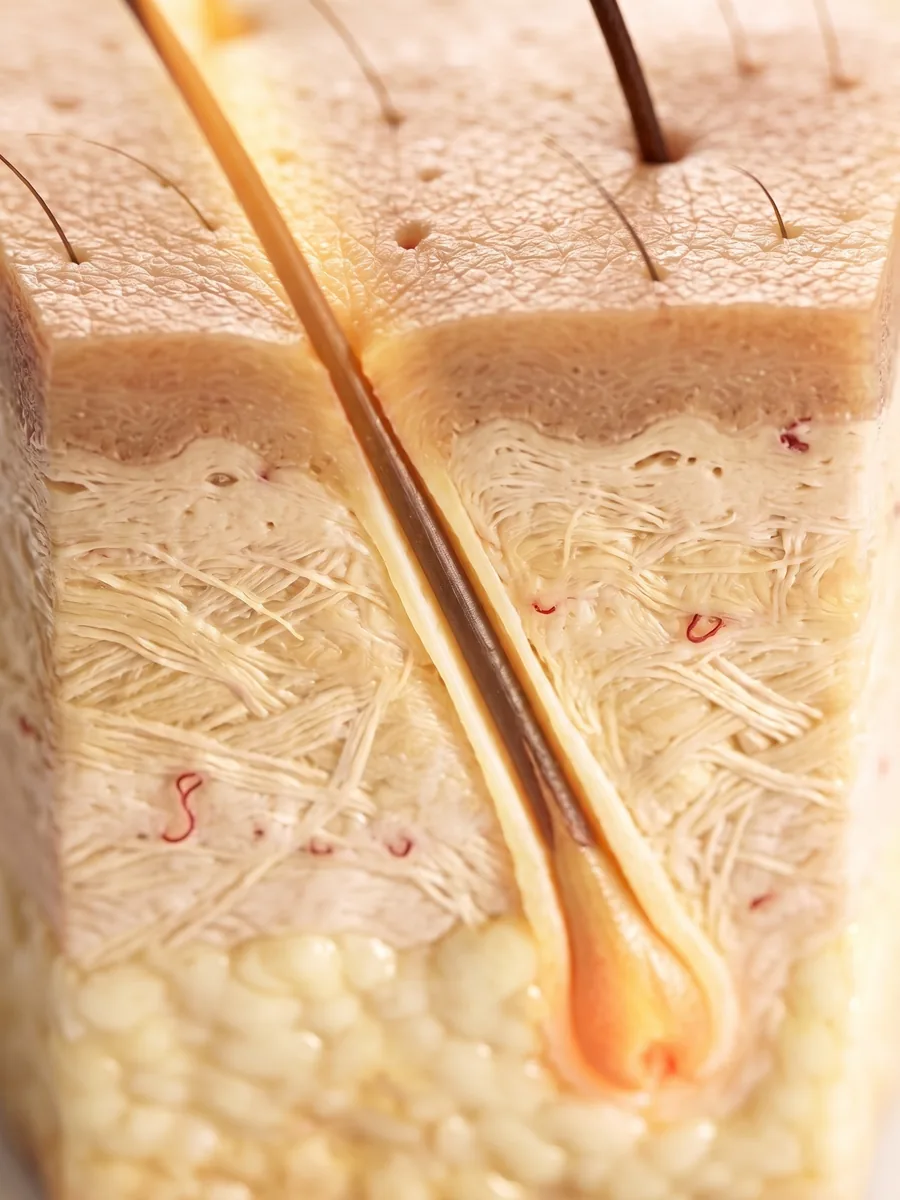
Laser
Light targets the pigment in the hair and travels down it to the root, which it heats. A follicle that is reached then grows a finer hair, or none at all.
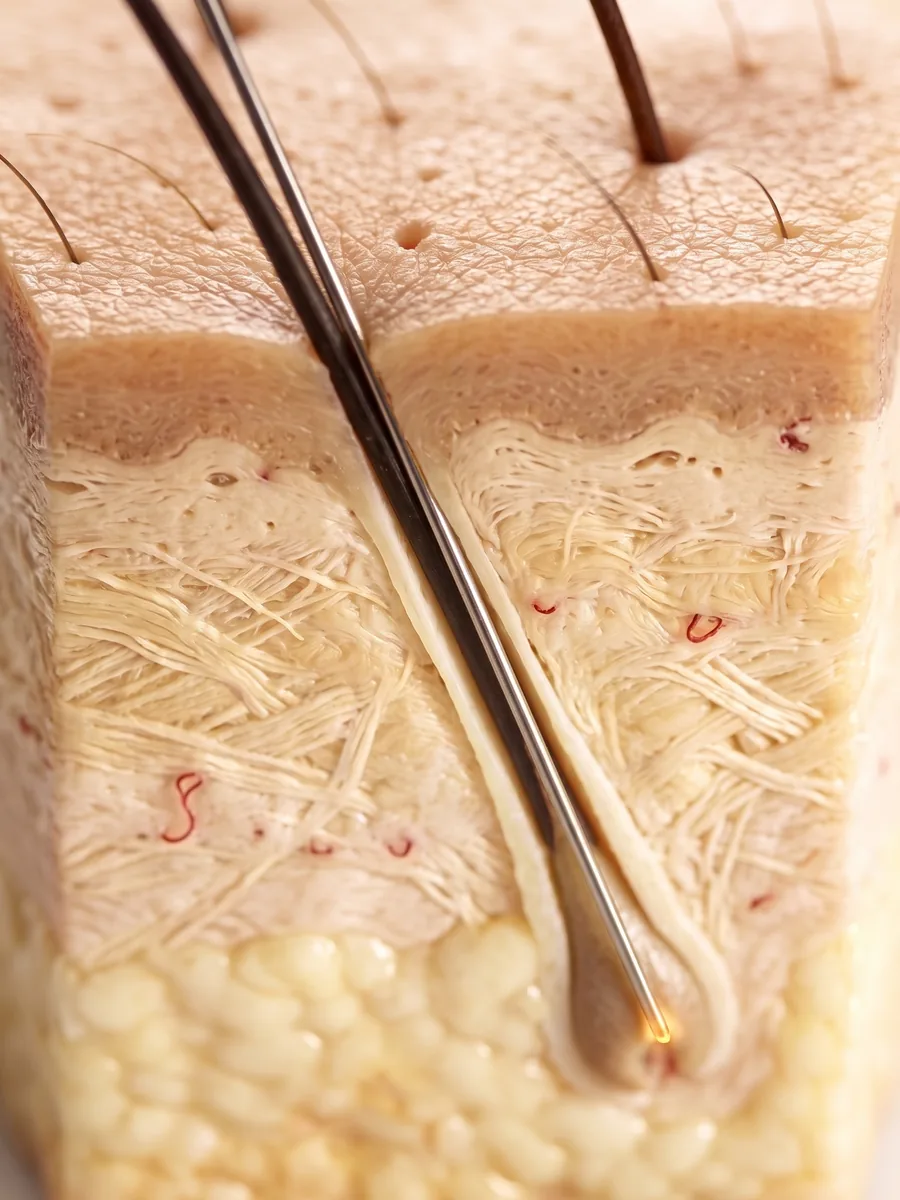
Electrolysis
A very fine probe follows the hair's channel and delivers a controlled electrical energy to the follicle. One hair at a time, with no need for pigment.
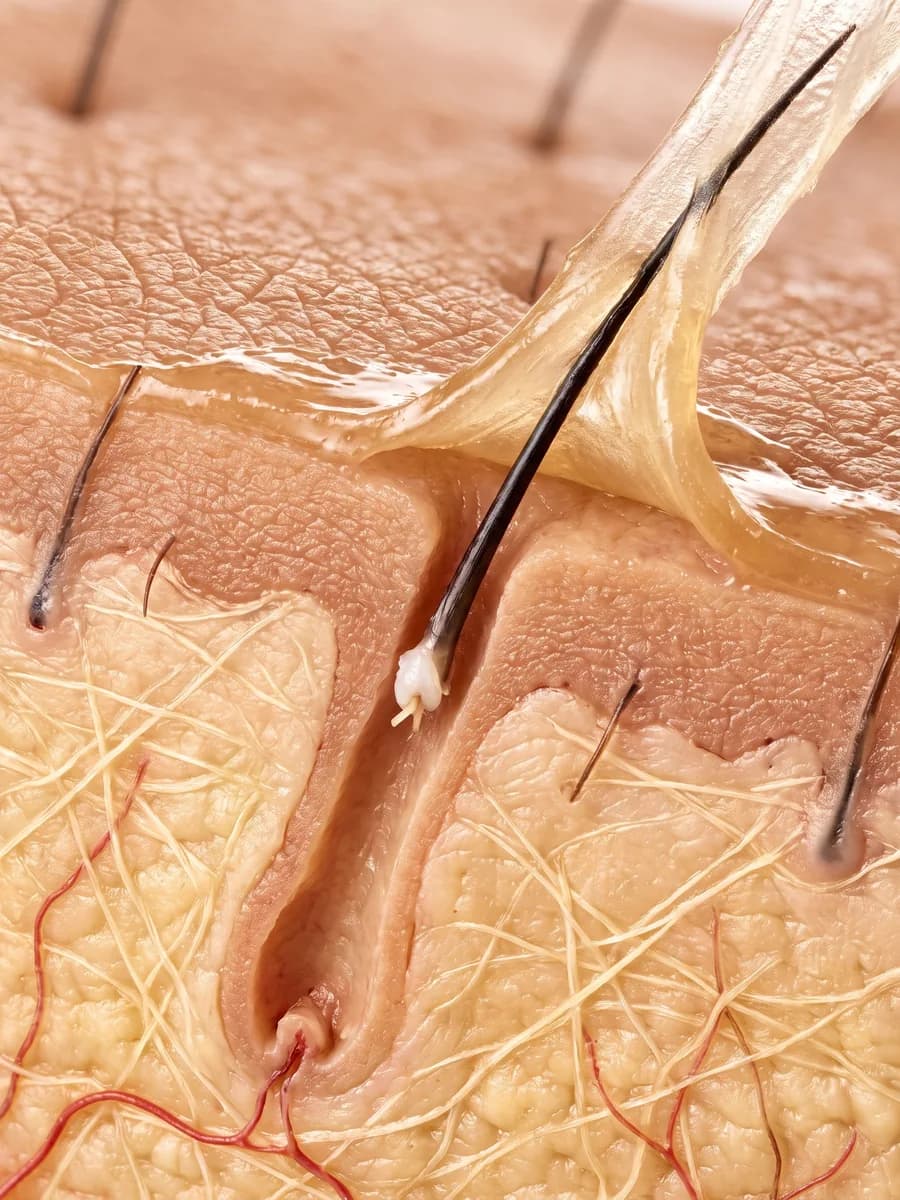
Waxing
It pulls out the whole hair but leaves the follicle in place. The follicle grows a new hair, which takes a few weeks to come back.
Laser: a lasting reduction, over a series
Laser is the technique that covers the most surface, the fastest. Health Canada explains it simply: for hair removal, the laser targets melanin, the dark pigment, in the hair follicle (Health Canada, "Cosmetic laser treatments").
The same page draws the two limits we will also tell you about: the technique works less well on blonde, red, grey or white hair, and most people need several sessions.
Here, we recommend a minimum of 10 sessions for a full series. A single area on its own takes fewer: 6 to 10 for underarms, legs and bikini depending on your hormones, 8 to 10 for the face, 6 to 8 for arms and back.
After that, one maintenance session a year usually picks up the follicles your hormones wake up. Areas, session lengths and prices are on our laser hair removal in Laval page.
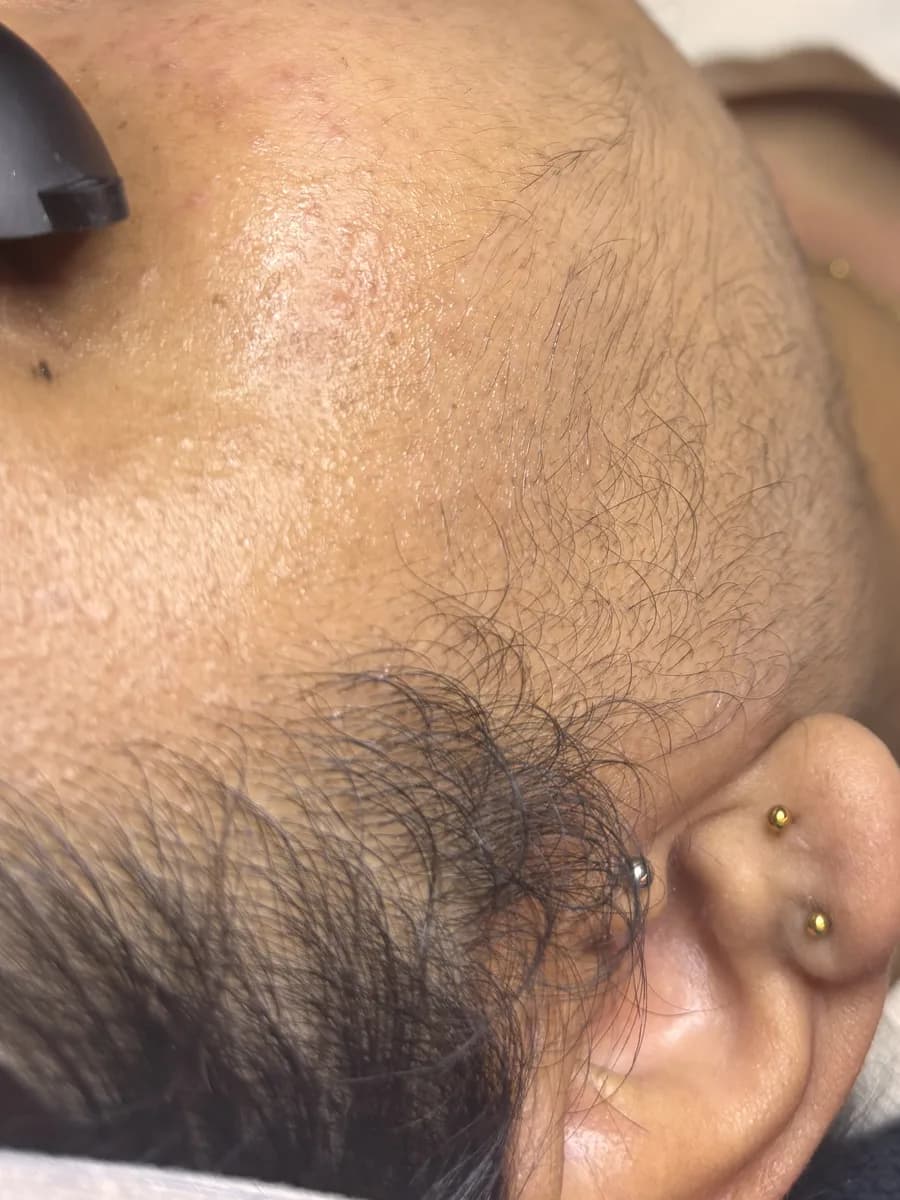
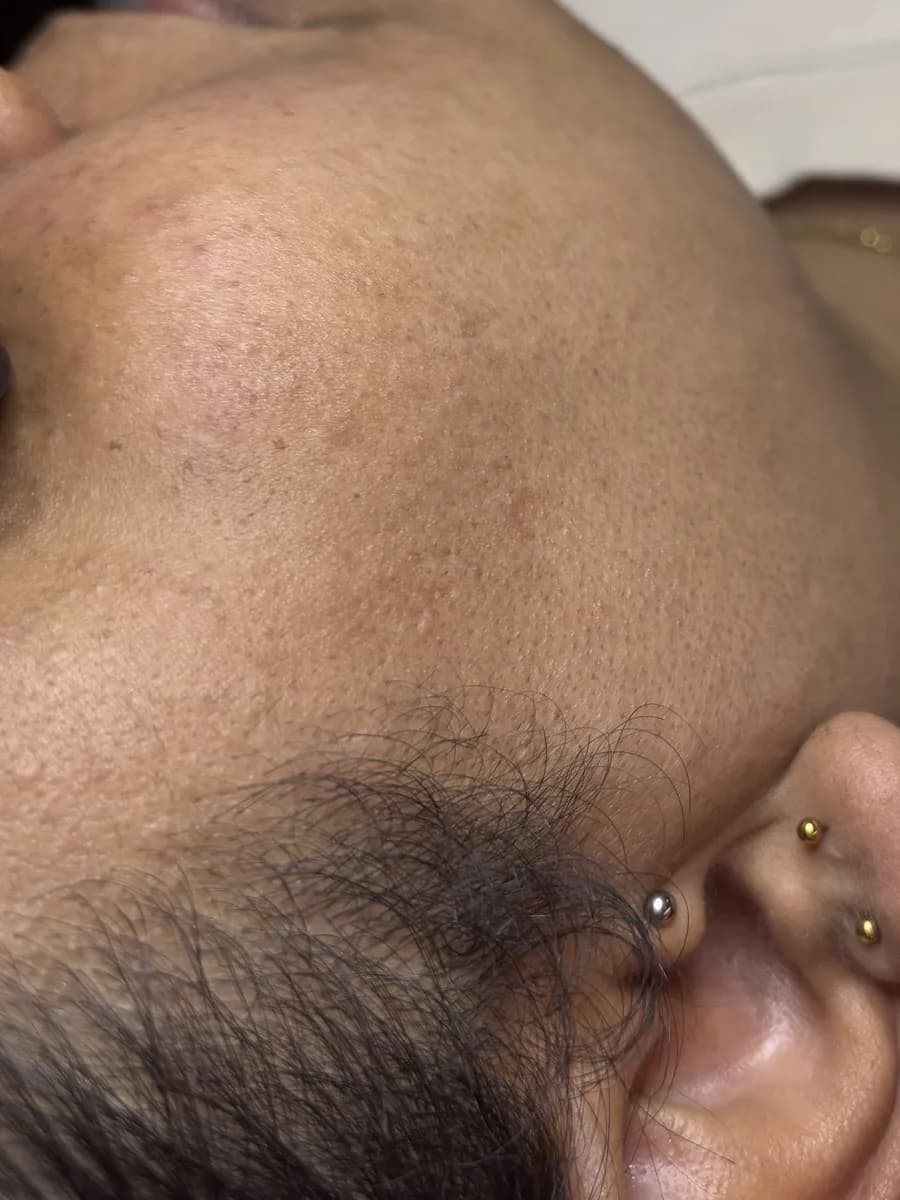
A client of the institute, before and after her laser series on the cheek and temple, photographed with her consent. This is her own result: every skin and every hair growth pattern responds in its own way. The mechanism, phase by phase, is explained in our article on how laser hair removal works.
Electrolysis: the only one cleared as permanent
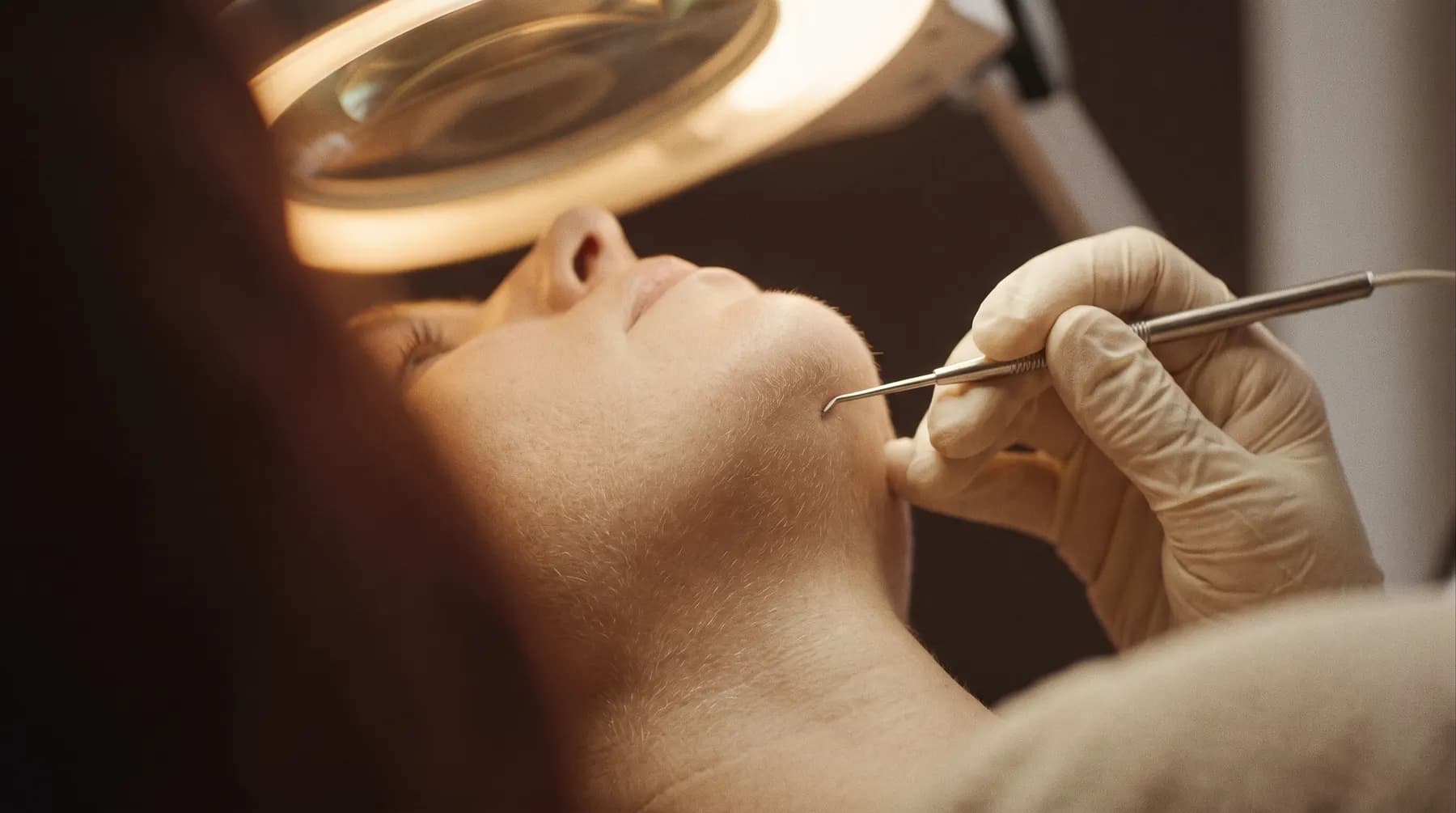
Electrolysis treats the follicle directly, hair by hair, which makes it the most thorough and the slowest of the three. It looks for no pigment: a white, grey or blonde hair is treated like a dark one.
The 2022 study confirms that electrolysis is generally effective for all skin and hair colours. It adds what you should know before starting: regrowth varies and can reach 15 to 40%, which is why some hairs need more than one pass.
That is also why it is kept for limited areas. The chin, the upper lip, the brow line, a tattooed area the laser has to avoid, or the few light hairs a laser series leaves behind.
At the institute, it is done with the Apilus device, in 15, 30, 45 or 60-minute sessions, after a consultation that estimates the time you will need. The details are on our electrolysis in Laval page.
Waxing: immediate, never permanent
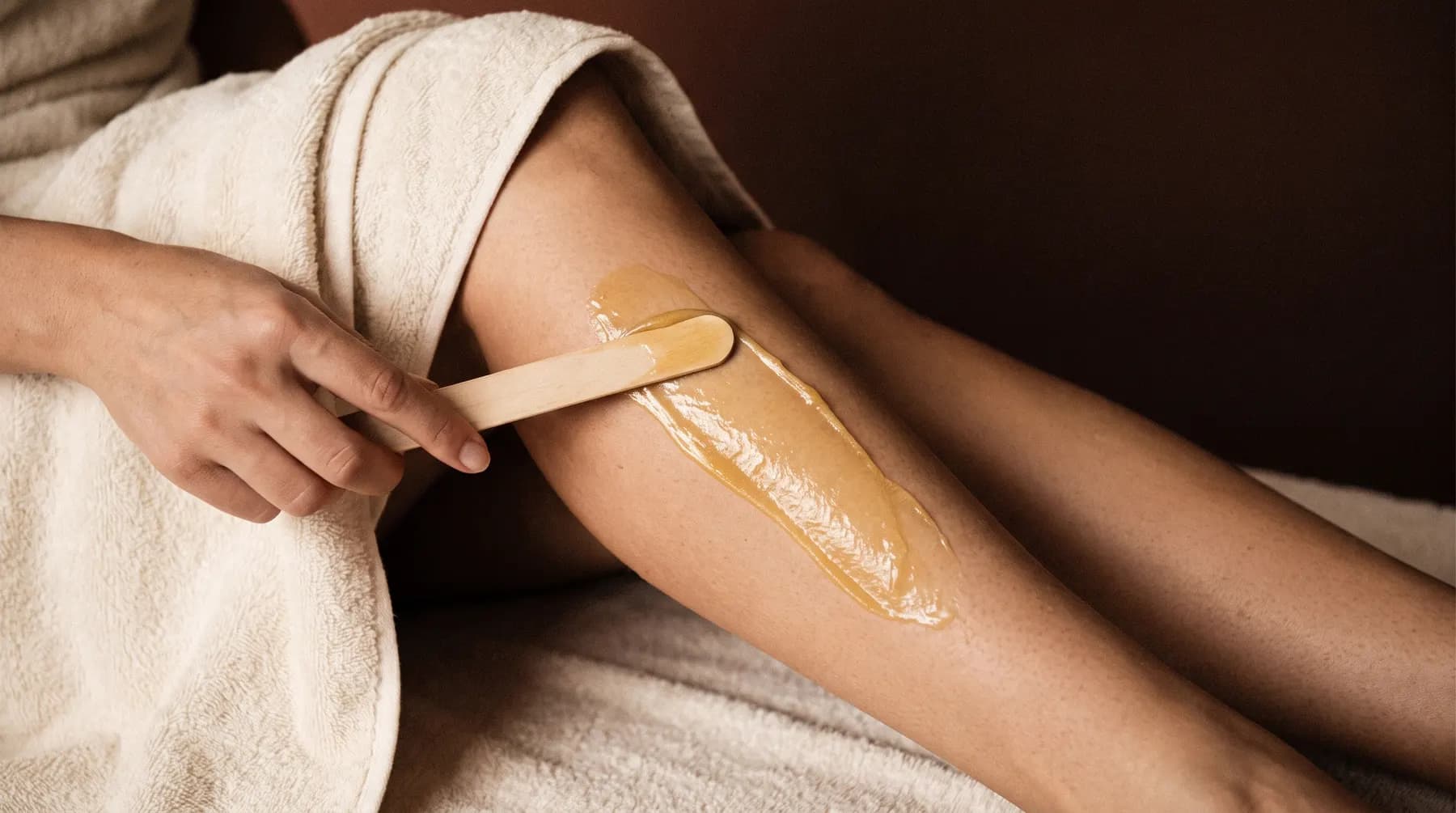
Waxing is the only one of the three that leaves your skin smooth the same day. It grips the hair along its visible length and takes it out with its root, whatever its colour.
The follicle itself is untouched. It goes back to work and the hair returns, more slowly than after a razor, since it has to grow back from the bottom. Allow a few weeks before your next appointment.
It is an excellent method, just not a permanent one. It helps before a trip, it suits pregnancy on healthy skin, and it treats the areas where you do not do laser. Areas and prices are on our waxing page.
Which one to choose, for your hair?
For permanent or simply long-lasting hair removal, start with the colour of your hair, then the size of the area. Those two questions settle most cases before the consultation even starts.
| Your situation | The technique that fits |
|---|---|
| Dark hair, large area (legs, underarms, bikini, back) | Laser |
| White, grey or very blonde hair | Electrolysis |
| A few stray hairs on the chin or upper lip | Electrolysis |
| A tattooed area | Electrolysis |
| Light hairs left after a laser series | Electrolysis |
| A result for this week | Waxing |
| A current pregnancy | Waxing, on healthy skin |
Dark hair, large area (legs, underarms, bikini, back)
- The technique that fits
- Laser
White, grey or very blonde hair
- The technique that fits
- Electrolysis
A few stray hairs on the chin or upper lip
- The technique that fits
- Electrolysis
A tattooed area
- The technique that fits
- Electrolysis
Light hairs left after a laser series
- The technique that fits
- Electrolysis
A result for this week
- The technique that fits
- Waxing
A current pregnancy
- The technique that fits
- Waxing, on healthy skin
A word about skin: our laser, the Elite iQ by Cynosure, carries two wavelengths and treats skin types 1 to 6, from very fair to very dark skin. It is the colour of the hair that limits the laser, not the colour of the skin.
If your case does not fit a single row of the table, we look at it together at the free consultation. All three techniques and their prices are on our hair removal in Laval page.